Your German grammar would like some field experience.
If you study German with Babbel, you may recognize a grammar pattern before you feel comfortable using it aloud. Choose one pattern and ask a teacher to help you put it into a short conversation.
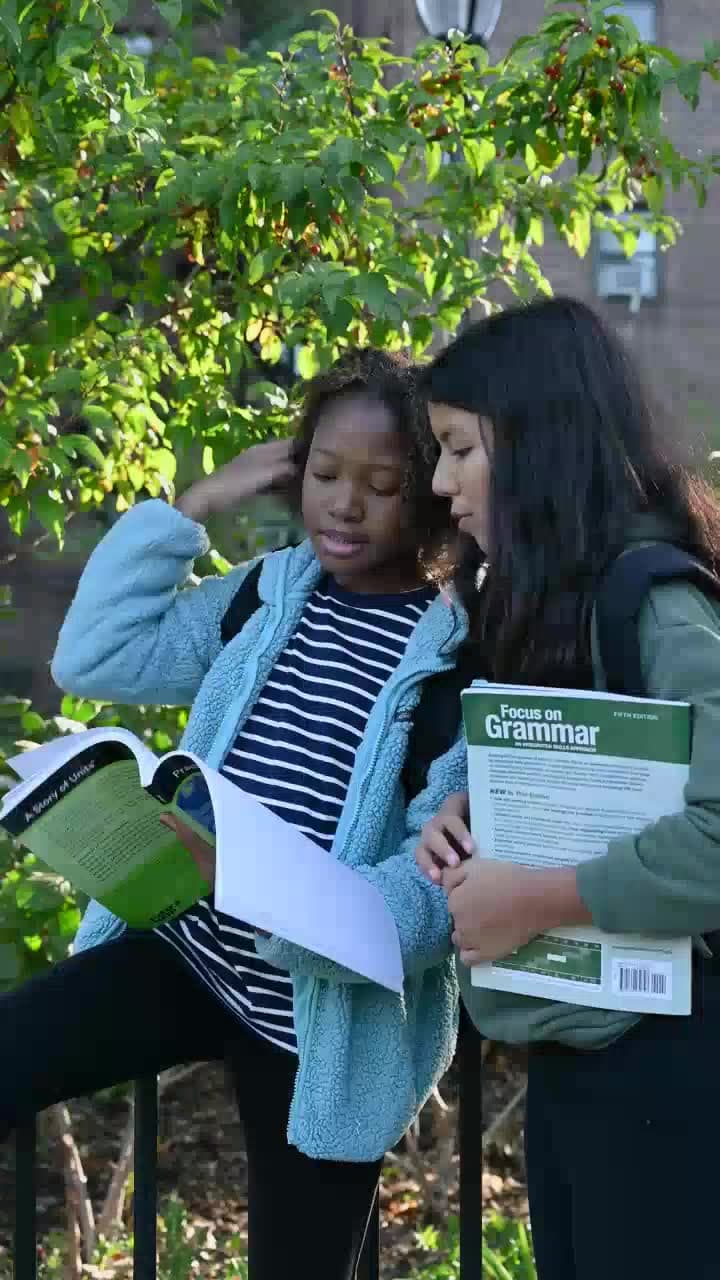
Knowing what the sentence should do and persuading it to do that while someone waits are two different moments in a learner's day.
Give the pattern a job
Pick a practical function: describing yesterday, explaining a preference or saying what you want to do next. Tell your teacher which structure you have been studying and where you lose track.
Prepare a few examples from your own life. They can be simple. Ask the teacher to check them, then use them as starting points for questions.
Work on one thing at a time. A session about a particular structure does not need to become an emergency review of every German ending you have ever encountered.

Move from prepared to changed
First answer a familiar question. Then have the teacher change the person, time or situation as appropriate to the structure you are practicing.
Notice whether you can make the adjustment. If you cannot, ask for a smaller step or another example. Afterward, try a brief conversation in which the pattern is useful without making every sentence an exercise.
Finish with two personal examples and one question to revisit. Those are more manageable practice notes than a large, undifferentiated list of corrections.
Give the lesson a second purpose

On Nattive, paid German lessons help fund free group English teaching through Classroom. Our goal is 100,000 hours for learners who cannot afford private language education.
You work on the German you want to use. Your booking contributes toward another learner's access to teaching. Funding is pooled and delivery happens when courses are ready; you can follow progress here.
If you want a teacher to help with the next step, check their level coverage, approach and availability. Bring your one grammar question. It has been waiting patiently for a conversation.