You can learn Spanish quietly. You just can’t stay quiet forever.
Yes, you can learn a great deal of Spanish without speaking to anyone: vocabulary, grammar, reading and a lot of listening. What you cannot do is build the skill of answering in real time without practicing it. Speaking is a separate skill, and it only grows when you use it.
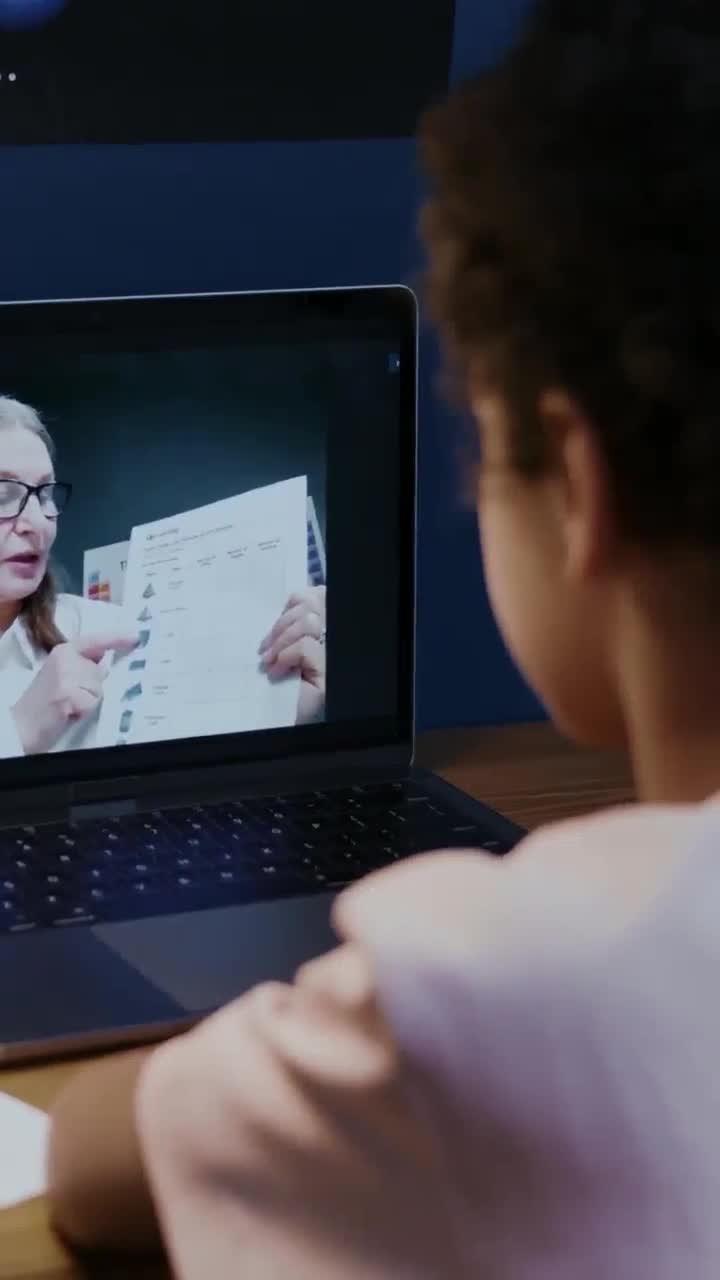
Plenty of people study alone on purpose. Maybe you are shy, maybe you are not ready, maybe you want to feel less lost before anyone hears you. That is a fair place to start. It just helps to know what the quiet phase is good for, and when to leave it.
What solo study does well
Studying alone is efficient for building the raw material: words, patterns, and an ear for the sound of the language. Reading and listening are things you can do in your pajamas, at your own speed, with the subtitles on.
| Skill | Can you build it alone? | What helps |
|---|---|---|
| Vocabulary | Yes | Spaced review, reading, labels on real objects |
| Grammar knowledge | Mostly | Short explanations, then examples you write yourself |
| Reading | Yes | Graded readers, short news items, messages |
| Listening | Largely | Slow audio first, then everyday speech |
| Speaking in real time | Not fully | Another person who answers back |
Where silent study stops
A conversation asks you to listen, decide what you mean, find the words, say them and listen again, all within a second or two. Knowing the Spanish is one thing. Retrieving it at that speed, with someone waiting, is another. If you have read this far and recognize the “I understand it but I can’t say it” feeling, you are in good company. This guide goes deeper on it.
Solo speaking helps a bit. Reading aloud and talking to yourself train your mouth. But nobody interrupts you, changes the question or says something unexpected, and that is exactly what real conversation does.
Add speaking without the dread
You do not have to jump straight into a free-for-all. Build a ladder, and move up when a step feels dull rather than scary:
- Say your own sentences out loud while you study, alone.
- Record a 30-second answer to a question like “¿Qué hiciste hoy?” and listen back.
- Book a lesson with one narrow job, such as introducing yourself and asking two questions.
- Repeat that conversation with the details changed.
- Let your teacher change the questions.
A 1:1 lesson is a gentle way in. It is one person, at your pace, who has done this with plenty of beginners. Tell your teacher on day one that you are nervous. It is the most useful sentence you can bring, and you can say it in English. If freezing is your main worry, read why we freeze speaking Spanish.

How much speaking is enough?
There is no magic number, so ignore anyone who sells you one. A sensible start is a little speaking, often: ten minutes a few times a week alone, plus a lesson when you feel ready. If you can only manage a lesson every other week, keep the rest of your study short and spoken. Our guide on how many Spanish lessons a week can help you pick a rhythm.
A week that moves from quiet to spoken
If you want to keep most of your study silent but start edging toward speech, a light weekly rhythm can do it. Adjust it to your own life.
| Day | What you do | How loud |
|---|---|---|
| Monday | Read a short text and underline words you want | Silent |
| Tuesday | Listen to slow audio, then read the transcript | Silent |
| Wednesday | Say five sentences about your day, out loud, alone | Quiet |
| Thursday | Record a 30-second answer and listen back | Quiet |
| Friday | Rehearse one exchange for your next lesson | Out loud |
| Weekend | A lesson, or a short call with a friend who speaks Spanish | Out loud |
The pattern is simple: input first, then your own words, then another person. Each step is a small increase in risk, so none of them is a leap.
One more note for the quietly stuck. If you have studied for a long time and still cannot speak, that is not a character flaw. It usually means the practice you have done does not match the skill you want. Change the practice, not your opinion of yourself.
Quiet now, loud later, useful always
Your lessons help another learner too: 10% of each lesson price, included in the total you see, helps fund live English teaching, toward a public goal of 100,000 hours by the end of 2032. Start quiet. Just start.