Choosing a German teacher: look past the case table
Choose a German conversation teacher by what you want to say, not only by what you want to know. Look for someone who can set up real situations, adjust their pace and correct you without stopping every sentence. A profile, a mini lesson and five questions will tell you most of what you need.
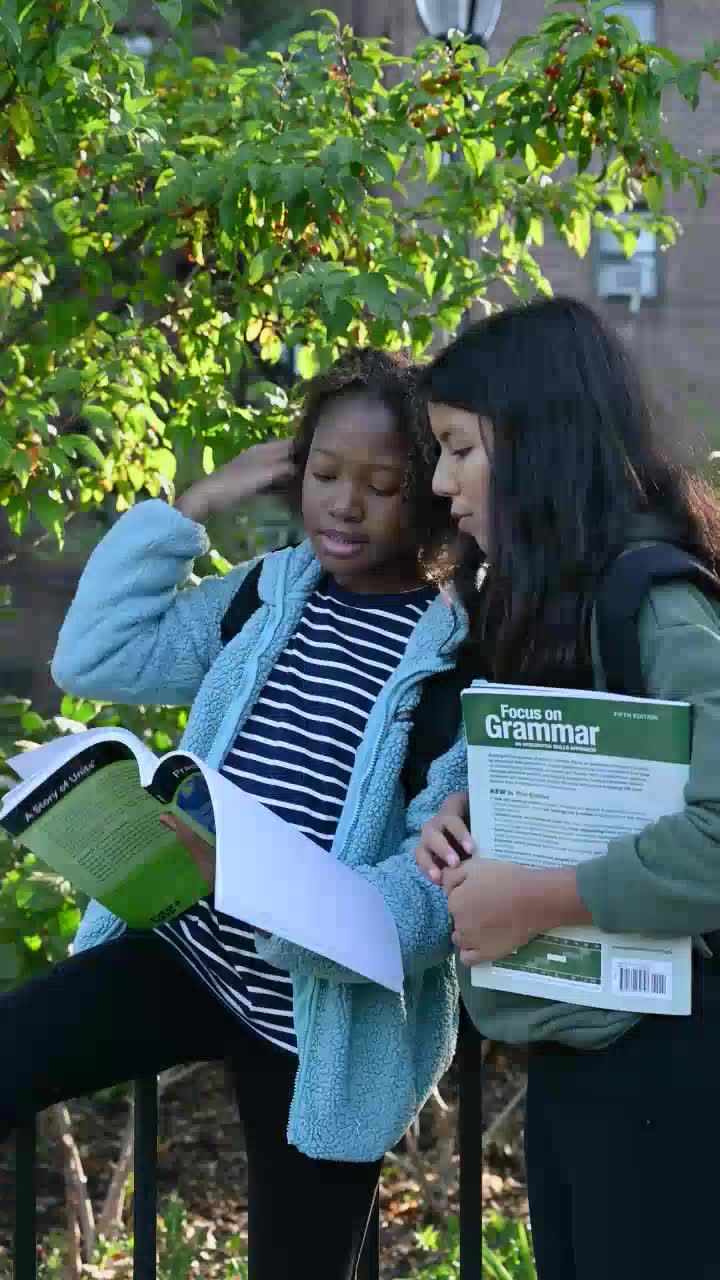
If you can recite the four cases but cannot tell a neighbor when you will be home, you do not need applause for your case table. You need to practice the neighbor conversation.
Start with three jobs German has to do for you
Maybe you are moving to Germany, joining a German-speaking workplace or meeting a partner’s friends. Write down three situations you want to handle, for example:
- Introduce yourself to a colleague.
- Move an appointment.
- Explain a small problem with your apartment.
Send that list to a teacher you are considering. A good reply talks about turning those situations into practice, not about a long syllabus.
What to look for in a profile
| On the profile | Why it helps |
|---|---|
| The levels they teach | A complete beginner needs more structure than someone already comfortable with everyday German. |
| Their stated approach | “Conversation” can mean free chat or guided role play. Pick the one you need. |
| Mini lessons | A short pre-recorded clip shows pace, tone and how they explain, before you book. |
| Qualifications | Every Nattive teacher holds a teaching certificate or a degree and is selected before teaching. |
| Trial lesson | Some teachers offer a lower-priced trial. It is never free, and it is a cheap way to test the fit. |
The full price is shown before you book, and there is no subscription, so you can try one teacher and move on if the fit is wrong.
Five questions to ask before you book
- Do you teach conversation at my level? Say honestly whether you are a beginner or rusty.
- Will I get time to finish my sentences? Some people want instant correction. Others want to speak first and review after. Agree on yours.
- Can we practice difficult moments? Asking someone to repeat, checking an address, disagreeing politely.
- What will I do between lessons? You want something small: three responses to rehearse or a short voice memo.
- How much German will we use? Early explanations in English are fine. You should still speak German at a level that stretches you.
Here is a message you can copy: “I’m learning German for ____. I can currently ____. I want to practice ____. Do you work on live conversation, and what would our first lesson look like?”

Germany, Austria or Switzerland?
Start with where you will use German. A teacher who knows local words and habits can help, but standard German is understood across all three, so do not let this become an accent spiral. If you are heading to Switzerland, tell your teacher: everyday speech there often differs from the standard German you will learn, and they can point out what to expect.
Teacher fit matters far more than finding the perfect variety. Nattive teachers are chosen for their qualifications and teaching, not for where they grew up.
Red flags and green flags
You do not need to be a German expert to spot a good fit. These signals show up quickly, in a profile, a mini lesson or the first ten minutes of a lesson.
| Green flag | Red flag |
|---|---|
| Asks about your goal before the lesson | Starts with a fixed syllabus whatever you say |
| Lets you finish sentences, then corrects | Interrupts every mistake |
| Changes the details in a practice exchange | Repeats the same script every time |
| Gives you one or two things to work on | Hands you a long list of homework |
If a teacher talks for most of the lesson, you are not getting conversation practice, however pleasant it feels. Count the minutes you actually speak. If you cannot get above a third of the lesson, say so politely and ask for more speaking time. A good teacher will adjust.
Plan the first lesson
Spend five minutes on your goals. Use ten to practice one familiar exchange. Then ask the teacher to change the details: another time, another question, a small misunderstanding. End by picking one pattern to improve and one scenario for next time. That lesson shows you how they teach and what you can already do. For a business angle, see German job interview conversations; for the same advice in another language, choosing a Spanish conversation teacher.
10% of each lesson price helps fund live English teaching for people who could not otherwise afford it, aiming at 100,000 hours by the end of 2032. Your lesson pays your teacher and does that too.