AI never gets tired. Neither does your need to be understood.
AI can’t fully replace a language teacher, but it can take over part of the job. It is useful for repetition, rehearsal and generating practice material at any hour. A teacher adds what a chat window doesn’t: judgment about what you need next, a real person reacting to you, and someone who remembers your goal.
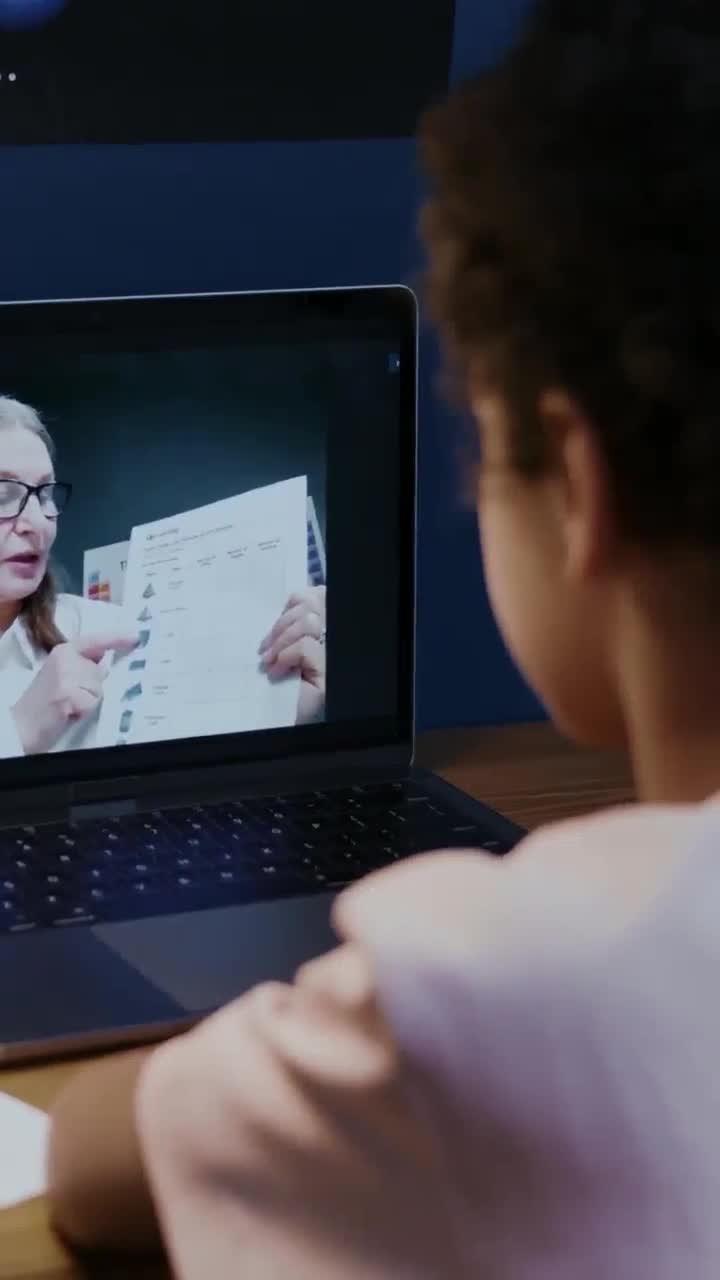
The useful question is not “AI or human?” It is which parts of learning you want each one to handle. Tools are changing fast, so this guide skips predictions and sticks to what you can test yourself.
What is AI practice good for?
Repetition without pressure. Rehearse ordering coffee, explaining a work problem or introducing yourself as many times as you like. Nobody sighs.
Material on demand. Ask for ten alternative questions, a simpler version of a sentence, or a role-play set in a pharmacy.
Low-friction starts. If you can’t arrange a live conversation every day, a quick exchange beats not speaking at all.
For a shy learner, that low pressure can be the point. Saying a sentence aloud ten times to a screen can make saying it once to a person feel less scary. Think of it as a warm-up.
One caution applies to every AI tool: it can produce wrong language, wrong explanations and confident feedback that is mistaken. Check anything important, such as grammar rules or exam advice, against a reliable reference or a teacher.

What does a live teacher add?
Diagnosis through conversation. A teacher listens to how you handle real questions and decides whether to work on words, listening, confidence, pronunciation or grammar. That is more than checking an answer against a model sentence.
Conversation as a social skill. Timing, humor, politeness and cultural context matter. A teacher brings lived experience of the language and reacts to you as a person.
Adjustment in the moment. A teacher sees you frown, slow down, or answer too quickly to have understood. They can change pace, switch to English for one sentence, or try an example from your own life.
Continuity and accountability. A booked time helps you show up. A teacher who knows your goal can spot the same slip across several lessons.
| Job | AI practice tool | Live teacher |
|---|---|---|
| Repeat a role-play at midnight | Strong fit | Not available at that hour |
| Generate extra practice questions | Strong fit | Possible, slower |
| Notice a pattern across weeks | Depends on the tool | Strong fit |
| Prepare for a real interview or family dinner | Good for phrases | Strong fit for live reactions |
| Decide what to learn next | Can suggest, you verify | Part of the job |
| Give you a human to talk to | No | Yes |
How to get more from AI practice
Give it a job. “Play a hotel receptionist and keep your sentences short” beats “let’s chat.” Tell it your level. Ask it to wait until you finish before correcting. Then say the replies out loud, even if you type the prompts.
Keep a short list of anything it corrected, and bring that list to a teacher. A human can tell you which of those corrections is a real rule, which is a style choice, and which is worth ignoring for now. That check is where a lot of the value sits.
Three situations, three sensible mixes
- Ten versions of a restaurant order tonight: an AI tool is convenient.
- A job interview in German next week: a teacher-led role-play can reveal problems you hadn’t noticed.
- Meeting your partner’s family: AI for basic phrases, a teacher for natural, context-sensitive conversation.
Another way to see it: an AI tool answers the question you ask. A teacher notices the question you should have asked. That difference matters most in the first months, when you don’t yet know what you don’t know.
Budget, schedule, level and goal decide the mix. You don’t owe loyalty to any tool, only to your own progress.

Skip the sweeping claims on both sides. “Teachers are obsolete” and “AI will never teach a language” are both guesses. Test the tool instead with questions you can answer yourself:
- Can I do something in the language now that I couldn’t last month?
- When it corrects me, can I check the correction against a source I trust?
- Does it make me speak out loud, or only read and type?
- Do I still practice when the novelty wears off?
If the answers are good, keep using it. If you find yourself polishing prompts instead of speaking, that is your signal to add a person.
- Book one lesson with a teacher and tell them one thing you want to fix.
- Afterward, write down the three phrases you needed and didn’t have.
- Use an AI tool or an app to rehearse those phrases in short role-plays.
- Check anything surprising with your teacher at the next lesson.
Treat the teacher as the one who checks your direction, and the tool as the gym. If you would like help with the speaking side, see how to practice pronunciation for clearer speech.
Our position, and what we fund
Nattive is built around live 1:1 lessons with a teacher you choose, who holds a teaching certificate or a degree. The human conversation is the product. About 10% of each lesson price is a Classroom contribution, included in the price shown, that helps fund live English courses for people who otherwise couldn’t afford them. Our public goal is 100,000 hours of live English teaching by the end of 2032.