Choosing a French teacher? Start with the conversation.
A good French conversation teacher fits your current speaking level, makes it comfortable to attempt real answers and knows when to correct you. “Conversation” should mean you talking, not forty-five minutes of someone explaining a worksheet. Choose the situation first, then the teacher.
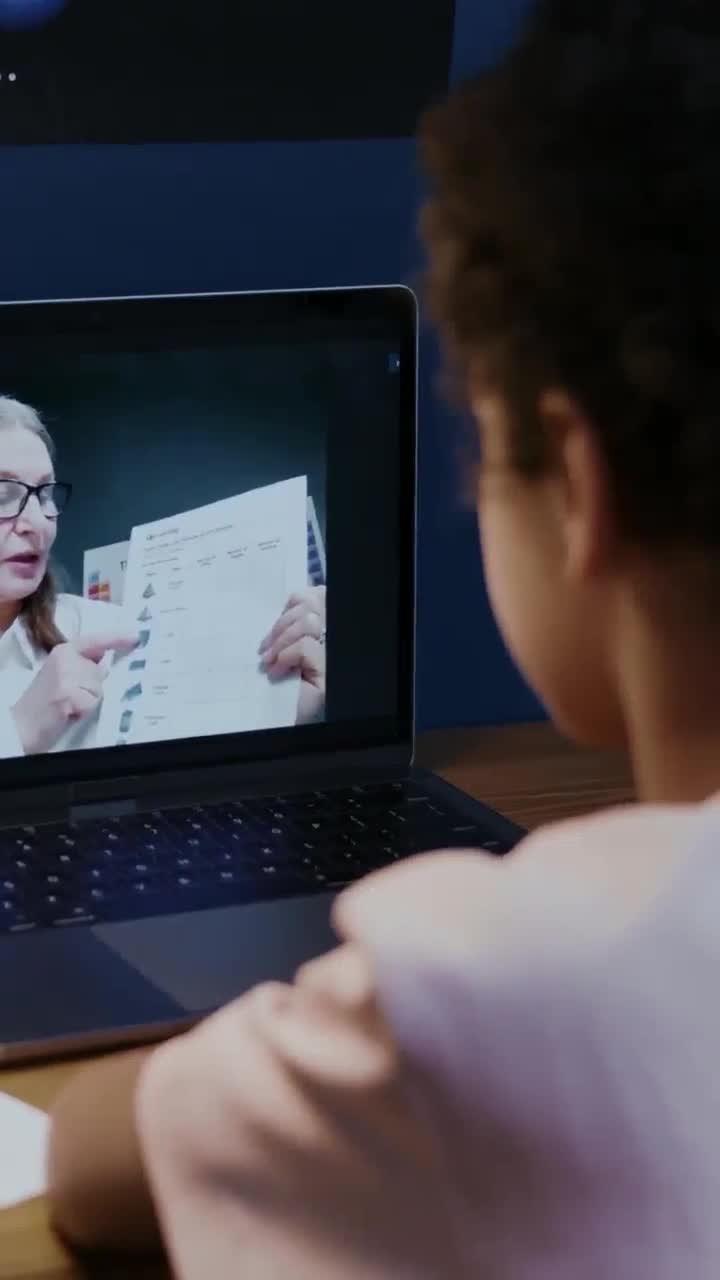
Most advice about choosing a teacher starts with qualifications and ends with price. Both matter. For conversation, one more thing comes first: what do you want to be able to say, and to whom?
Pick a situation before you pick a teacher
Do you want to chat with neighbors in Lyon, join a partner’s family dinners, handle colleagues in French or get through seminars? Say so. The situation shapes the vocabulary, the pronunciation work and the questions you need to answer.
“Improve my French” is fine as a start. One concrete scenario makes it much easier to tell whether lessons are helping.

Five checks before you book
| Check | What to look for | A question to ask |
|---|---|---|
| Level fit | Experience with learners at your stage, beginners included | “Have you taught people who can follow slow French but panic when answering?” |
| Goal fit | Willingness to practice your real conversations, not only textbook units | “Can we work on talking to my partner’s parents?” |
| Speaking time | Most of the lesson spent with you using French | “How much of a lesson will I be talking?” |
| Feedback style | A short summary of recurring slips and next steps | “Do you correct as I go or at the end?” |
| Practical fit | A schedule, price and teaching style that work for you | “What does a typical first lesson look like?” |
You do not need to know your exact CEFR level. “I can follow slow French but I freeze when I have to answer” tells a teacher more than a label does.
What a first lesson should include
A short chat about your goals, a realistic speaking task and an agreement about feedback. If interruptions make you freeze, ask the teacher to let you finish before correcting small mistakes. If you are working on one sound, ask for immediate correction. Neither is the single right way; the point is to choose.
A script you can use: “J’aimerais pratiquer des conversations simples. Pouvez-vous attendre la fin de mes phrases avant de me corriger ?” (I’d like to practice simple conversations. Can you wait until I finish my sentences before correcting me?)

Using mini lessons, and what if it is a poor fit?
Nattive teachers publish short mini lessons, so you can hear how they explain and how they sound before you pay. A video is evidence, not a guarantee. Every Nattive teacher holds a teaching certificate or a degree, and lessons are booked one at a time with no subscription. Some teachers offer a lower-priced trial lesson.
If it is not working, that is not a verdict on you. Notice whether you are speaking, getting useful feedback and knowing what the next lesson is for. If not, say what you would like to change. If that does not help, try someone else. For a different language, the Spanish version of this guide covers similar ground.
Green flags and warning signs
You will learn most in the first lesson. Here is what to notice:
| Good sign | Worth a second look |
|---|---|
| The teacher asks about your goal and listens to the answer | They start with a fixed worksheet whatever you say |
| You speak for most of the lesson | The teacher talks for most of it |
| Corrections come in small, useful batches | Every slip is corrected, so you stop trying |
| You leave with a clear next step | You leave unsure what the lesson was for |
| The teacher adapts when you ask for a different pace | “That’s just how I teach” is the answer to every request |
None of these is a verdict on the teacher’s ability. They tell you whether this teacher suits this goal. Many good teachers are simply a better fit for exam preparation, or for beginners, or for fluent speakers brushing up, and the best teacher for someone else may not be yours.
One practical habit: after your first lesson, write down one sentence about how it felt and one thing you would like to repeat. If you are still unsure after a second lesson, you have enough information to decide.
The goal is progress, not the “best” teacher
There is no best French teacher on the internet, only one you can make progress with. 10% of each lesson price is included in the total you see and helps fund live English teaching, toward a public goal of 100,000 hours by the end of 2032.