Skip to content
Nattive

Pardon your French. Applaud your intentions.

French conversation etiquette for beginners starts with a greeting, a polite request and a willingness to listen. You can practice all three before your grammar feels particularly impressive.
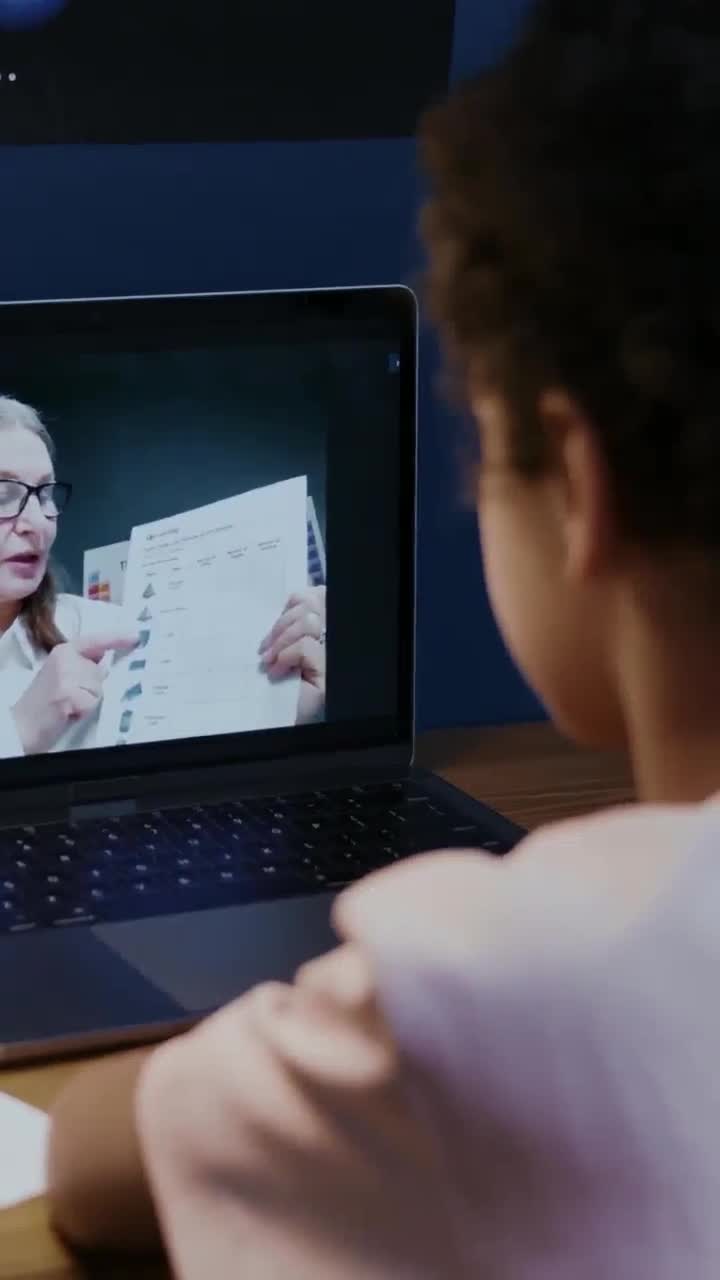
Perhaps you have rehearsed your coffee order twelve times. The person behind the counter says something unexpected. Your carefully prepared French leaves the building without you.

Give yourself a smaller job: open the conversation kindly, ask your question and work through the reply. Here is a way to practice before your next trip or lesson.

Start with the greeting

For a daytime interaction with someone you do not know, “Bonjour” is a useful opening. Add your request afterward rather than launching straight into what you want.

You might practice:

  • “Bonjour. Un café, s’il vous plaît.” — Hello. A coffee, please.
  • “Bonjour. Où est la gare, s’il vous plaît ?” — Hello. Where is the train station, please?
  • “Merci. Bonne journée !” — Thank you. Have a good day!

These examples are short on purpose. Once they feel comfortable, your teacher can help you expand them for the places you are actually visiting.
Friends talking and laughing at an outdoor picnic

Choose a form of address for the situation

French uses both “tu” and “vous.” In an unfamiliar adult interaction in France, “vous” is generally a useful starting point. Friends and people who agree to speak informally may use “tu.” Customs vary across relationships and French-speaking places; your teacher can explain the context you need.

TV5MONDE’s guide to tu and vous provides examples of how familiarity and setting affect that choice.

You do not need a seminar on social etiquette before buying a sandwich. You do need a few phrases you can retrieve when hungry.

Rehearse the part after your opening line

Ask your teacher to play the other person in three situations:

SituationYour goalAsk your teacher to vary
Ordering a drinkGreet, order and say thank youSize, temperature or whether it is to go
Asking directionsAsk where somewhere isThe first turn or a nearby landmark
Meeting a friend’s relativeIntroduce yourself and ask a simple questionTheir name, hometown or interests

Try the exchange once with notes and once with fewer prompts. Ask for feedback on politeness and whether your meaning was clear. Save detailed grammar corrections for the end if interruptions make it hard to finish.

Give your lesson a purpose beyond the perfect sentence

A woman with earphones holding up a notebook to her laptop on a video call

At Nattive, paid French lessons also help fund free group English classes for learners in developing countries who cannot afford private language education.

We are working toward 100,000 hours of live English teaching. Your French can be a work in progress while your bookings contribute to that goal.

Choose a teacher who suits your level and the conversations you want to have. The café performance can wait until you have practiced the follow-up question.

Find a French teacher · See the Classroom mission

A commitment we can be measured against

100,000 hours of live English teaching by the end of 2032.

That’s our public mission target. We’ll show the hours we’ve funded, the hours actually delivered and the Classrooms that make up that progress. We want our community to know what their lessons are helping make possible.

See our impact

Every hour counts

hours funded
0
hours delivered
0

Launching soon

Today: 0 hours delivered. Next milestone: our first Classroom, 8 hours.

Our first Classroom: 8 hours of teaching. Then 100 hours. Then 1,000. Then 10,000. Together, each stage takes us closer to 100,000.

We’re building the first Classroom. Follow our progress as paid lessons help make more teaching possible.

An hour means one hour of teacher-led English class time, whether five or eight learners attend.

The next milestone: our first Classroom

Our first Classroom: 8 hours of teaching. Then 100 hours. Then 1,000. Then 10,000. Together, each stage takes us closer to 100,000.

The next Classroom

Your paid lessons help fund the next four-week English course. See how close we are to covering eight hours of live teaching.

Follow this Classroom

0 of 8 hours funded towards the first Classroom

Teaching starts once courses are funded and scheduled.

How your booking helps

When you book a paid private lesson on Nattive, a Classroom contribution is allocated towards funded English teaching. Contributions are pooled to fund group courses; the teaching takes place when a course is funded, scheduled and delivered.

What happens when I take a lesson?
Part of what you pay goes to the Classroom fund, automatically, with every lesson you book. There's nothing extra to do.
How much goes towards it?
10% of the teacher's lesson price. It's included in the one price you see, and it's never taken from the teacher's pay.
What does it buy?
Teaching time. 8 hours of live English teaching funds one Classroom course, with the teacher paid for every hour.

A £27.50 lesson includes £2.50 for the Classroom, enough to fund 6 minutes of teaching.

Based on a £25 teacher lesson price. The 10% Classroom contribution is included in the price you see and is never taken from the teacher's pay.

Where does the contribution go?

  1. You book

    You choose your teacher and pay for a 1:1 language lesson.

  2. Classroom grows

    A clearly disclosed part of the total supports the Classroom fund.

  3. Teaching is funded

    When a course reaches its funding goal, that money is allocated to eight teacher-led hours.

  4. Teaching happens

    A paid teacher runs the class and we report the time delivered.

Funded and delivered

Classroom courses funded and Classroom courses delivered are two different moments, so we always report them separately.

Funded

Enough money has come in to pay for a Classroom course's 8 teaching hours.

Delivered

The classes have run and the teacher has taken the register.

A one-hour group lesson counts as one teaching hour, regardless of group size.