Fluent in 30 days? Let’s read the small print together.
For most people, no. Fluent in 30 days usually means something far smaller than “fluent,” such as a few rehearsed conversations. Ask what the claim counts as fluent, and set a 30-day goal you can actually check.
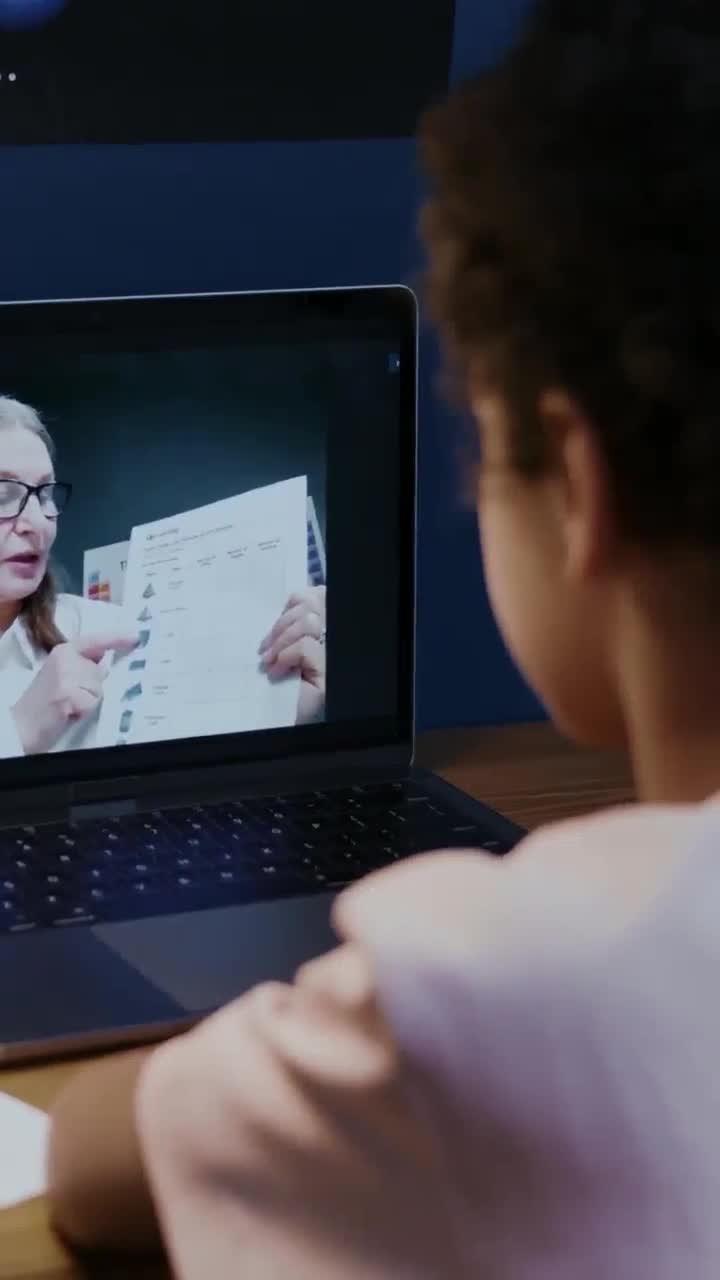
The promise is irresistible: a month, a new language, done. We’re not here to mock anyone who clicked. We’re here to help you read the claim, so you spend your month well.
What does “fluent” even mean in a 30-day claim?
There’s no single definition. For some people, fluent means a complete beginner can survive a coffee order. For others, it means handling a work meeting without stopping to think.
Frameworks such as the Council of Europe’s CEFR describe levels from beginner to advanced precisely because “fluent” is too vague to measure. A claim that doesn’t name a level or a task is leaving room to mean whatever it likes.

How can you assess a fast-fluency claim?
Run it through five questions before you spend money or hope.
| Ask | A trustworthy answer sounds like | A warning sign |
|---|---|---|
| What does fluent mean here? | A named level or specific tasks | “Speak like a native” |
| Who is it for? | A starting point and daily time stated | “Anyone, with no effort” |
| How many hours? | A number you can compare to your own schedule | “Just minutes a day” |
| What do I do in the 30 days? | Speaking, listening and review, in a plan | Passive watching or app streaks only |
| What happens after day 30? | A next step | Nothing, you’re “done” |
One more check: look at what the promise leaves out. If a claim says nothing about how much time you’ll put in, where you start or what you’ll be able to do at the end, it’s a slogan, not a plan. Learning a language is a long game for nearly everyone, and the good news is that you feel progress early, in the first weeks, even if “fluent” is a long way off.
You don’t need to be cynical. You just need the claim to survive its own questions.
What can you realistically do in 30 days?
Plenty, if you aim at a task instead of a title. A 30-day goal that works has three parts: a specific situation, a way to check it and a daily habit.
For example: “In 30 days I’ll introduce myself, order a meal and ask for directions without reading my notes.” You’ll know on day 30 whether it happened.
That’s a win you can feel, and a base for the next month. Many people who stay with a language begin exactly like this.
A 30-day plan you can steal
- Week 1: Pick your situation. Write ten lines you’d need and say them aloud daily.
- Week 2: Add listening. Find short audio at your level and replay each clip.
- Week 3: Hold two live conversations with a teacher, using your situation and changing details.
- Week 4: Run the real task. Record yourself, then compare it with day one.
Two cautions. First, don’t buy a promise because the deadline feels motivating. A deadline helps, and a realistic one helps more. Second, don’t judge day 30 against a stranger’s highlight reel. Judge it against your own day one recording.
Keep the daily part to 20 or 30 minutes. If it needs two hours, you won’t sustain it. For how often to add lessons, see how many Spanish lessons a week.
What if you’re short on time?
Then narrow the goal, don’t stretch the timeline. A tiny, solid skill beats a big, shaky one. And be kind to yourself: wobbling in week three is normal. Staying motivated when learning a language has ideas for the dip.

Real goals, real hours
We prefer claims we can count. Our own is public: 10% of each lesson price helps fund live English classes for learners in developing countries, and our goal is 100,000 hours of teaching by the end of 2032. It’s a long goal, and we report funded hours separately from delivered hours.