German for a new job: be clear first, impressive later
Before a new job in German, practice clear exchanges and ways to ask for clarification. In your first weeks, being understood and checking that you understood matter more than elegant grammar. A short list of work lines and a few role-played conversations will cover most of day one.
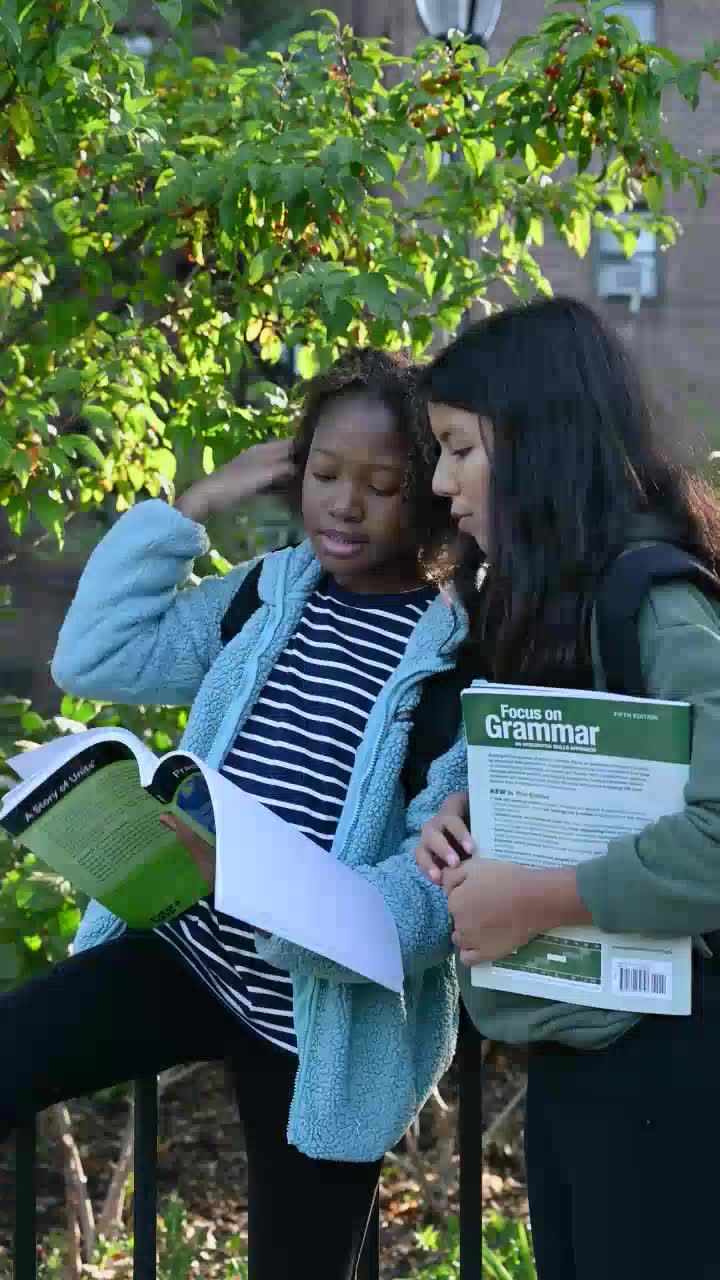
Nobody expects a new colleague to speak like a novelist. They do expect you to say when you have not understood. That habit is the most useful German you can bring.
Which work exchanges come up first?
Think about your first week: meeting people, being told what to do, and working out who is responsible for what. These are the moments to rehearse.
| Moment | A line to practice | What it means |
|---|---|---|
| Meeting the team | “Hallo, ich bin neu hier. Ich heiße Sam.” | Hi, I’m new here. I’m Sam. |
| Asking for a repeat | “Könnten Sie das bitte noch einmal erklären?” | Could you explain that once more? |
| Checking you understood | “Habe ich das richtig verstanden, dass …?” | Have I understood correctly that …? |
| Deadlines | “Bis wann soll das fertig sein?” | By when should this be done? |
| Responsibility | “Wer ist dafür zuständig?” | Who is responsible for that? |
| Getting it in writing | “Können Sie mir das bitte per E-Mail schicken?” | Could you send me that by email? |
Sie or du with your colleagues?
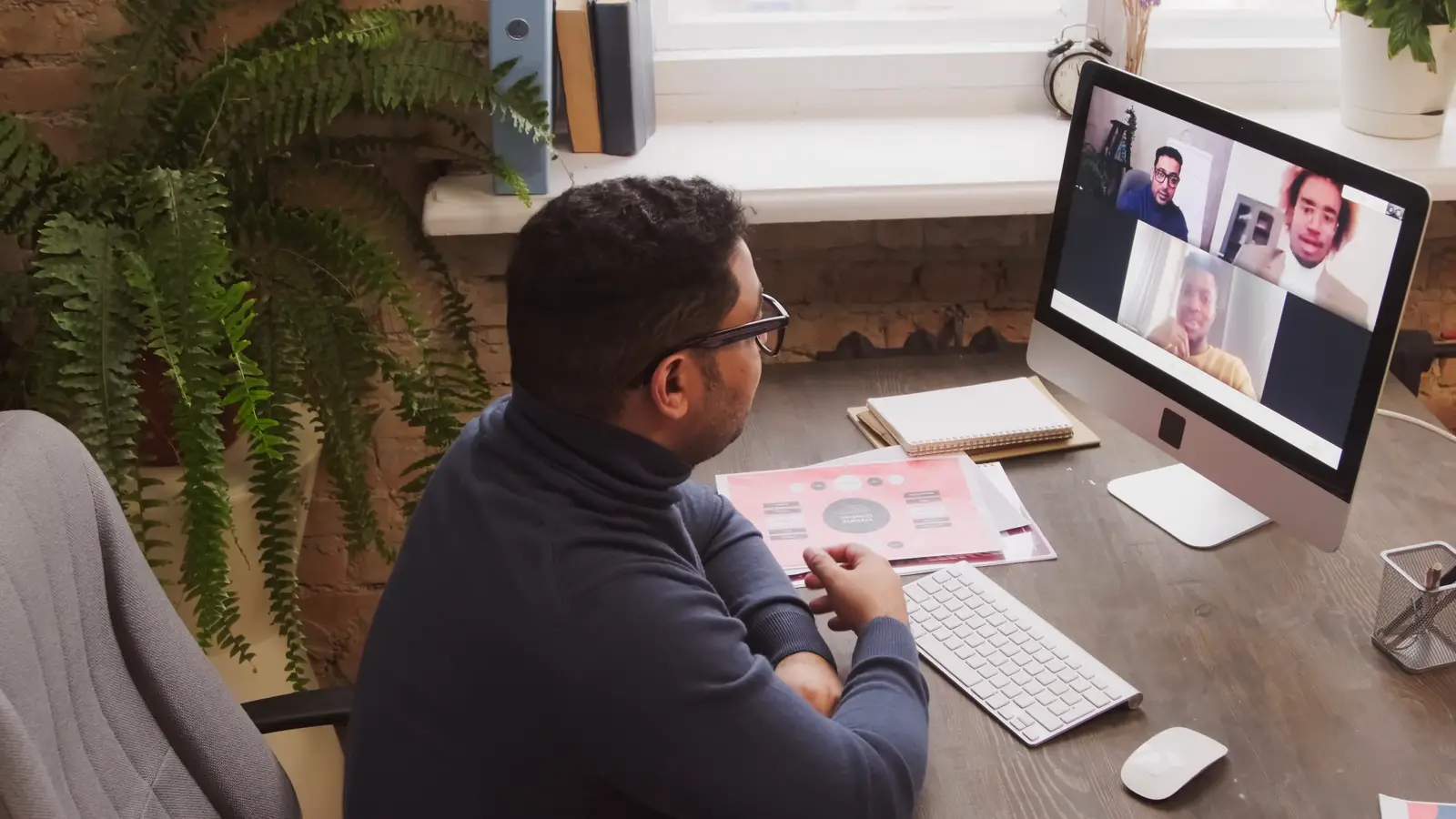
Workplaces differ. Some use “du” with everyone, others keep “Sie” until someone suggests otherwise. Ask your teacher how to read the room, and practice both versions of your key lines. When in doubt on day one, listen to what your new colleagues use with each other and follow them.
Practice clarification as a skill
Clarifying is a skill you can train, not a sign you are failing. Ask your teacher to play a manager who talks quickly and uses vague instructions, then practice the three-step loop:
- Say what you caught: “Ich habe verstanden, dass …”
- Say what you missed: “Das Wort ‘…’ kenne ich nicht.”
- Check the next step: “Dann mache ich zuerst …, richtig?”
The loop turns a blank moment into progress, and it shows your colleagues you take the work seriously.

A two-week plan before day one
- Week one: write ten sentences you will need about your role, your team and your tasks. Have your teacher check them, then say them aloud until they feel boring.
- Week two: role-play a first-day chat, a short meeting where you ask for a repeat, and a request for an email follow-up. Record one and listen for the places you stalled.
Bring real material if you can: a job description, a sample email or the name of a tool you will use. Your lessons become specific to the job you are starting. If you are applying rather than starting, see German job interview conversations.
What about emails and phone calls?
Email is the easier of the two, because you can take your time, so use it to your advantage. Keep your sentences short and polite. “Vielen Dank für Ihre Nachricht” (Thank you for your message) and “Könnten Sie mir bitte Bescheid geben?” (Could you let me know, please?) cover many cases. Ask your teacher to check three of your own emails before your first week.
Phone calls are harder, because there is no face to read. Practice the opening and the repair line until they are automatic: “Guten Tag, hier spricht Sam von …” (Hello, this is Sam from …) and “Entschuldigung, die Verbindung ist schlecht. Können Sie das wiederholen?” (Sorry, the connection is bad. Can you repeat that?). Then ask your teacher to call you, with a quiet, fast voice and a few surprises.
What can wait until later?
Long explanations, humor and fine points of grammar can wait. Your first goal is to be reliable: people can ask you something and get a clear answer, or a clear request for a repeat. Once that works, you can add the rest, one situation at a time. Many learners find that colleagues are more patient than they feared, especially when you say clearly what you need.
10% of every lesson price helps fund live English teaching for people who could not otherwise afford it, with a goal of 100,000 hours by the end of 2032. Your first-day German helps that goal along too.