Pay per lesson, skip the subscription, read the small print
Paying per lesson means you book what you need, when you need it, with no recurring charge. Before you book on any platform, check five things: the full price, how scheduling works, what happens if you cancel, who the teacher is and what happens after the lesson.
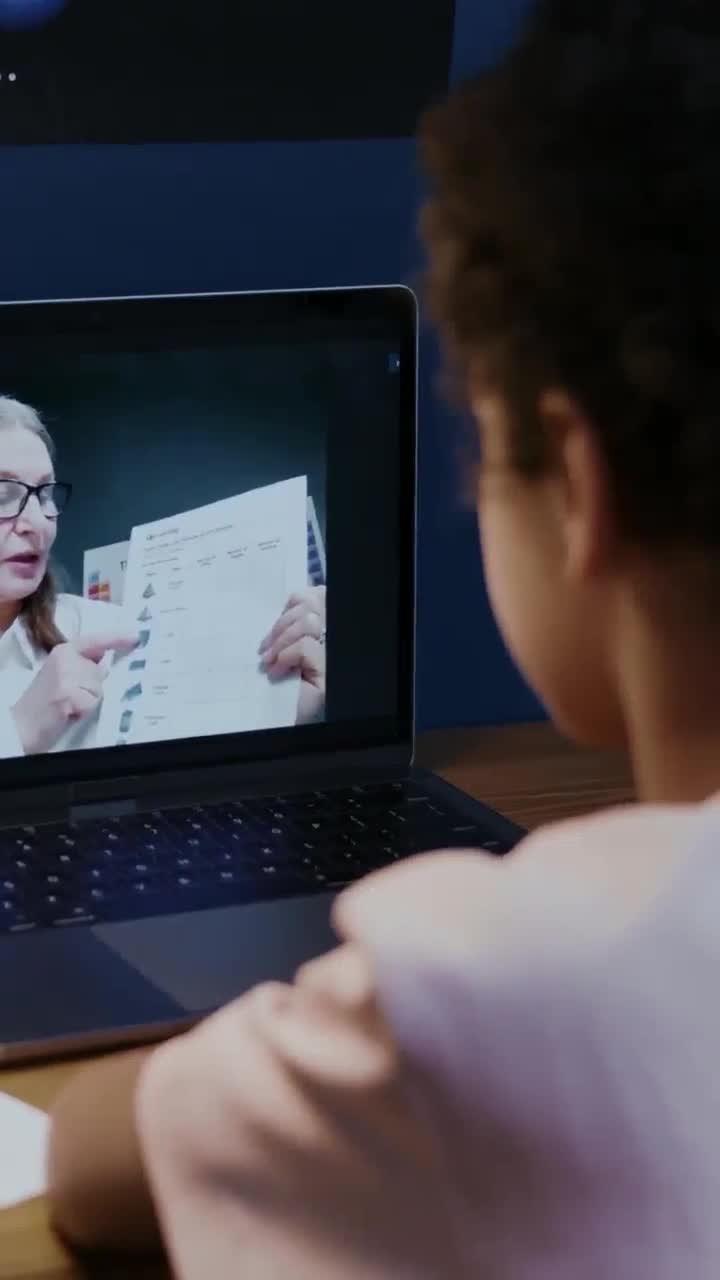
Subscriptions suit some people. If your schedule changes or you want to try a few teachers first, paying lesson by lesson gives you room to move. This checklist works anywhere you shop.
What should you check before you book?
| Check | What to look for |
|---|---|
| The full price | Is the price you see the price you pay? Look for extra fees at checkout. |
| Scheduling | Can you see a teacher’s times and book one lesson without a package? |
| Cancellation and moving a lesson | What are the rules, and how much notice do you need? Read them before you pay. |
| The teacher | Qualifications, teaching approach and, ideally, a way to see their style first. |
| After the lesson | Can you rebook the same teacher or try another with no penalty? |
None of these is complicated. They are just easy to skip when a booking page is friendly and you are excited to start.

How does this work on Nattive?
You pay per lesson. There is no subscription, and the full price is shown before you book. Every teacher holds a teaching certificate or a degree and is selected before teaching. Teachers publish short pre-recorded mini lessons so you can see their style first, and some offer a lower-priced trial lesson. A trial is never free.
Rules for cancelling and rescheduling are in the Terms. Read them as you would on any platform.
About 10% of each lesson price is a Classroom contribution, included in the price you see. It helps fund live English teaching for people who could not otherwise afford it. Nattive is a company, not a charity, and the contribution is part of the price, not a donation.
A booking checklist you can copy
- Write your goal in one sentence: “I want to ____ in ____ by ____.”
- Pick two or three teachers whose profiles match.
- Watch a mini lesson or read the profile for each.
- Check the price, the time and the cancellation rules.
- Book one lesson. Do not buy a package until the first lesson tells you something.
- After the lesson, ask yourself: did I speak a lot, and do I know what to practice next?
If the answer to the last question is yes, rebook. If not, try another teacher. The point of paying per lesson is that you can.

How many lessons should you book?
Start with one, then decide. Many people settle into a weekly rhythm once they find a teacher they like. For help with the rhythm, see how many Spanish lessons a week, which applies to any language, and how to compare the value of online lessons.
What can go wrong with any model?
Every pricing model has its own trap. Subscriptions can renew when you have stopped using them. Packages can expire before you finish them. Pay-per-lesson can make it too easy to skip a week and drift. The fix is the same for all of them: know the rules before you pay and decide your rhythm in advance.
- Put your next lesson in your calendar before you leave the current one.
- Note your cancellation deadline when you book, not when you need it.
- Look at your lesson history once a month and ask if it matches your goal.
Questions to ask a teacher before your first lesson
Send a short message: “I’m a beginner in ____ and my goal is ____. Do you have time on ____? Is there anything you would like me to prepare?” The answer shows you how quickly they reply, how clear they are and whether they listen. It costs nothing and often saves a wasted lesson.
Where your lesson money goes is a fair thing to check. Nattive’s goal is 100,000 hours of live English teaching by the end of 2032, and we will publish what has been funded as it happens. You can explore teachers in English, Spanish, French and German.