Your brain is a great translator. Time for it to clock out.
You stop translating German in your head by practicing in pieces that are already German: chunks like “Ich bin mir nicht sicher” and short replies you say before you can plan them. Translation fades as the pieces become automatic, not as you try harder to avoid it.
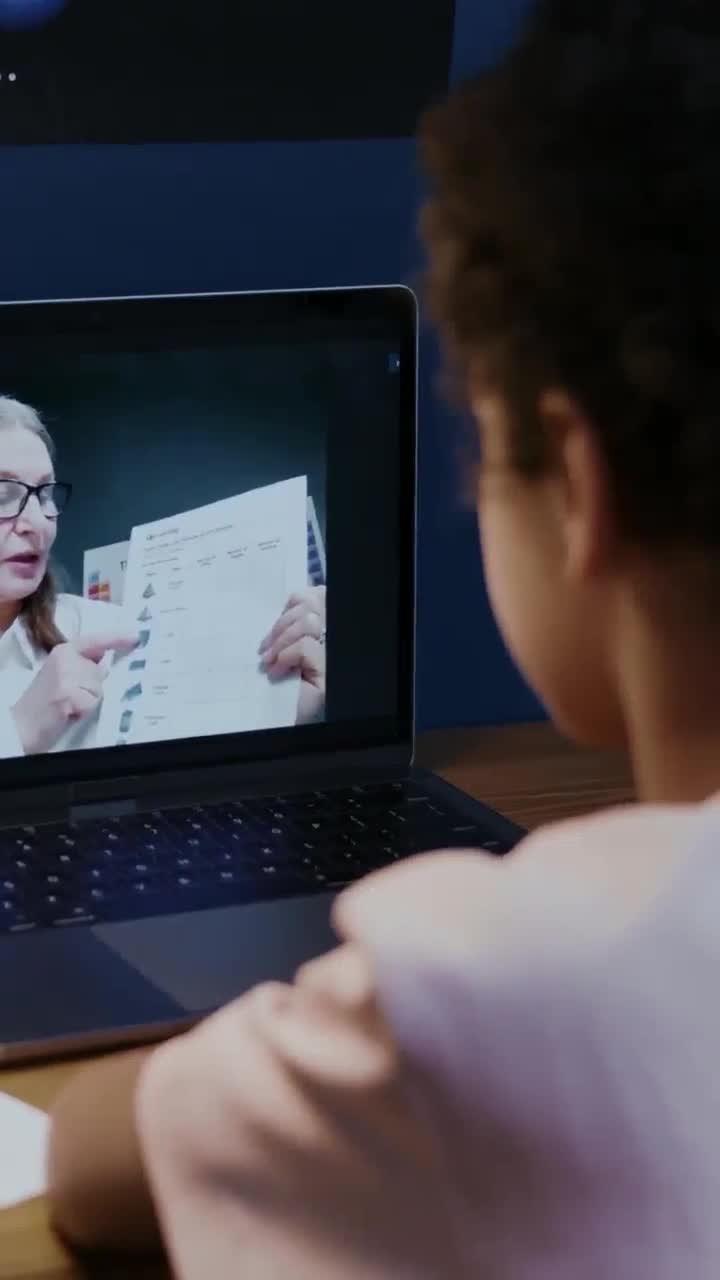
Translating is a normal stage, not a flaw. The trouble is speed: by the time you have built the English sentence, converted it and fixed the verb position, the conversation has moved on.
Why does translating slow you down?
Word-by-word translation asks you to do three jobs in sequence: find the English, find the German, then order it. A chunk is one job. You pull it out whole, the way you say “how are you” in English without thinking about each word.
German has plenty of these. A teacher can help you collect the ones that match your life.
| Chunk | Use it when | Rough meaning |
|---|---|---|
| “Ich bin mir nicht sicher.” | You need a moment or you disagree softly | I’m not sure. |
| “Das kommt darauf an.” | The honest answer is “it depends” | That depends. |
| “Mal sehen.” | You are keeping options open | We’ll see. |
| “Keine Ahnung.” | You really don’t know (casual) | No idea. |
| “Ich muss los.” | Ending a conversation | I have to go. |
| “Kannst du mir helfen?” | Asking a friend for a hand | Can you help me? |

The thirty-second answer drill
This trains short spontaneous replies. Do it with a teacher, or alone with a timer and a voice memo.
- Pick a plain question: “Was hast du heute gemacht?” (What did you do today?)
- Start a thirty-second timer and answer out loud, in German, right away.
- Use chunks and short sentences. Stopping to find a word is allowed. Switching to English is not.
- Listen back. Mark one place you stalled.
- Ask your teacher for the German you needed there, then answer the same question again.
The second attempt is where the learning sticks, because you now have the missing piece at the exact moment you wanted it.
Build a chunk bank, not a vocabulary list
After each lesson, write down five whole phrases you actually needed, not five isolated words. Put them in a note on your phone under headings like “at work”, “with friends”, “when I’m lost”. Before your next lesson, read them aloud once and use two in conversation.
Ask your teacher to sneak your chunks into role play with a different person, place or problem each time. Recombining familiar phrases is how “I memorized it” turns into “I can say it”.
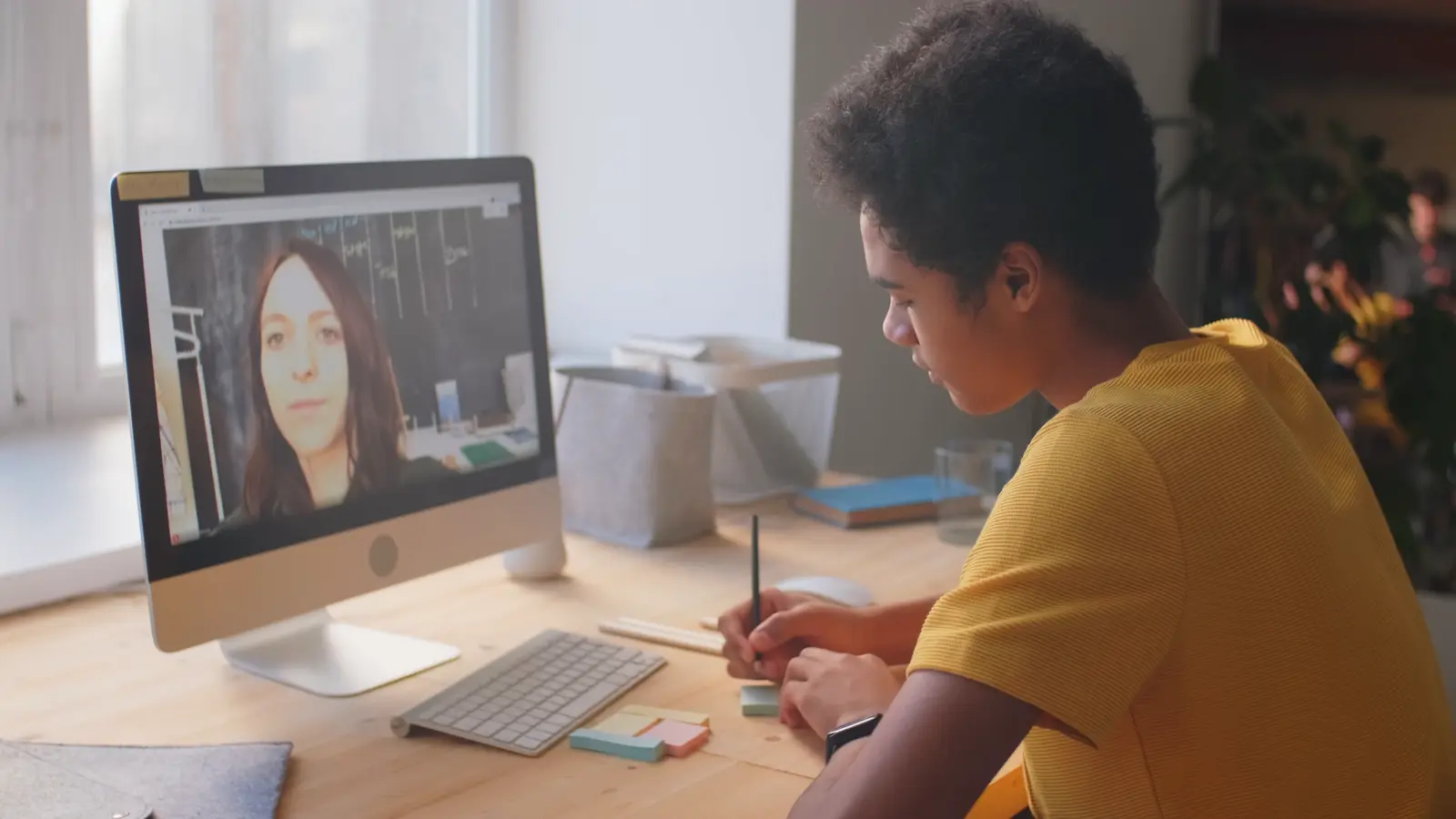
Short beats perfect
A short, slightly wrong German reply keeps the conversation going. A perfect one that arrives after a ten-second silence does not. Tell your teacher you want to be interrupted less and corrected afterward, so you can finish thoughts before reviewing them.
If you also freeze on word order, read why German word order trips you up mid-conversation. If you feel stuck overall, try the speaking plateau reset.
What if I still translate sometimes?
You will, and that is fine. Translation is a useful backup when a chunk is missing. The aim is to reach for it less often, and to make it quicker when you do. Try this: when you catch yourself translating, stop, say the shortest German version you know and carry on. “Ich möchte einen Termin” is better than a perfect sentence you never finish.
Ask your teacher to point out the places where you translated word for word. Often the English shape shows in word order or in a missing little word. Each one becomes a new chunk for your bank.
How long does it take?
Nobody can promise you a date, and a teacher who does is guessing. Watch for smaller signs: you answer a familiar question without a pause, you finish a thought you planned in German, you stop moving your lips when someone speaks. Note one of those every week. Progress in this skill is visible if you look for it.
10% of every lesson price helps fund live English teaching for people who could not otherwise afford it, with a goal of 100,000 hours by the end of 2032. Your German practice supports theirs.