Speak badly on purpose. Then speak a little better.
Making mistakes is how you find out what to fix, so speaking before you feel ready is part of learning, not a failure of it. Keep the conversation going, repair what breaks, and ask your teacher to correct one thing at a time instead of everything at once.
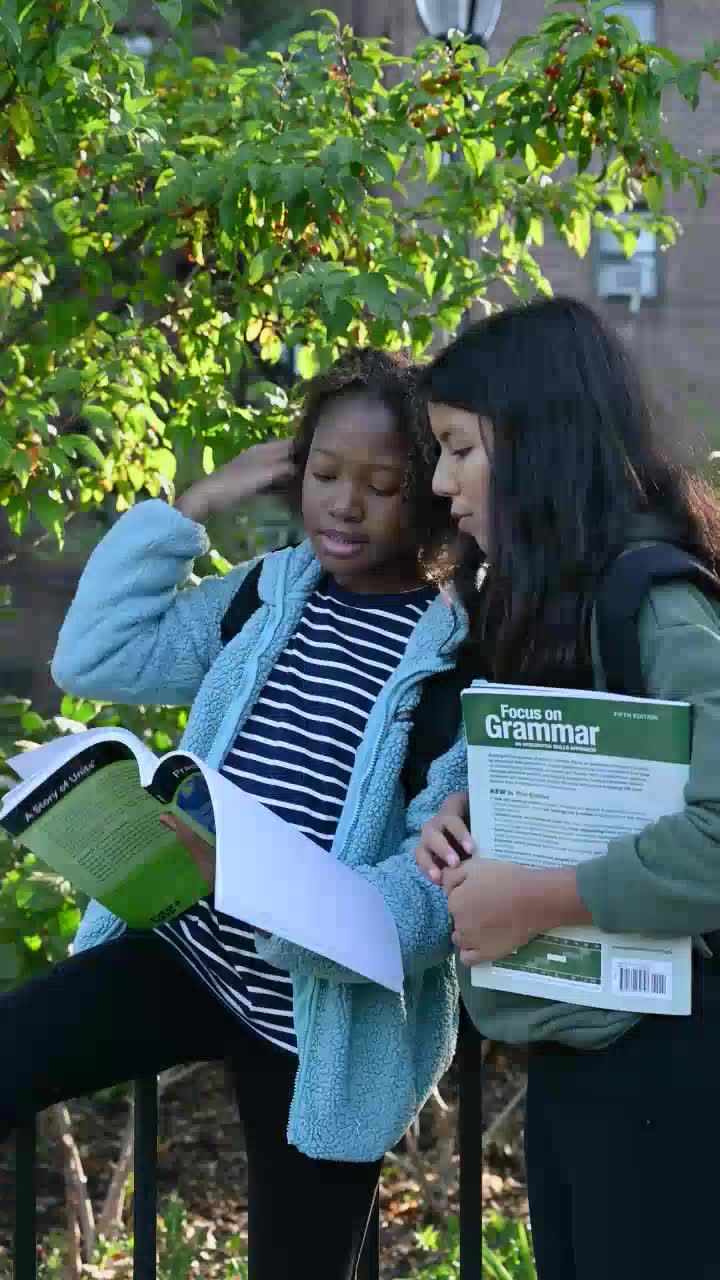
Nobody puts “have an awkward, slightly wrong conversation on Tuesday” on a vision board. Yet it is where much of the progress happens.
Why waiting until you’re ready backfires
If you only speak once you feel confident, confidence has nothing to grow from. You also miss the information a real conversation gives you. Maybe the problem isn’t the grammar chapter you keep rereading. Maybe it is catching fast questions, asking someone to repeat, or finding a simpler word on the spot.
Think of a toddler’s first sentences. Nobody waits until the grammar is perfect before they let the child talk. Adults feel the pressure of being judged, but the logic is the same: use it, get a response, adjust.
Accuracy still matters. The point is that you are allowed to learn while using the language, not only before.

How do you keep going when it goes wrong?
Mistakes tend to arrive in three flavors, and each has a repair. You forgot a word: describe it (“the thing you cook with”) or use a simpler one. You lost the sentence: stop, breathe, restart with fewer words. You didn’t understand the reply: ask for it again, slower, or ask them to say it another way.
Repairing in the language is itself a skill, and a very useful one. Fluent speakers back up and rephrase all the time, in any language. Start noticing it and you will feel less alone.
It doesn’t mean being laughed at. It doesn’t mean putting up with a teacher who humiliates you, and it doesn’t mean skipping grammar or pronunciation. It means a supportive setting where you try a real message, notice what went wrong and try again.
A little embarrassment is not a badge of honor. If a setting makes you freeze, change the setting, not your ambition.
The three-step awkward conversation
- Pick a topic you know. Your weekend, a favorite restaurant, tomorrow’s plans. Keep the vocabulary familiar.
- Speak for two minutes. Ask your partner to let you finish. If a word vanishes, describe it or ask for it instead of abandoning the sentence.
- Review one issue. Ask: “What got in the way most?” Practice that, then speak again.
Record yourself if you can stand it. Listening back a day later, you may find you were easier to follow than it felt, and you can pick out the one thing worth fixing.
Try it today with anyone: a teacher, a language partner, even a patient friend. If nobody is free, speak to your phone’s voice recorder. The aim is two minutes of continuous talking, mistakes included, followed by one fix. Two minutes can feel long the first time. Repeat it and see.
Next time, use a slightly less familiar topic. You are building the habit of continuing when things are imperfect. For the sounds side of this, see pronunciation practice for clearer speech.

Learn your language’s version of each of these first. They are worth more than another list of nouns, because they let you stay in the conversation when the exact words won’t come. Ask your teacher to drill them until they come out without thinking, the way you say “sorry, what?” in English.
| When this happens | Say something like |
|---|---|
| You didn’t catch it | “Could you say that again?” or “More slowly, please.” |
| A word is missing | “How do you say …?” |
| You said it badly | “What I mean is …” |
| You need a moment | “Let me think.” |
| You want a correction | “Is that right?” |
When a misunderstanding does happen, here is how to handle it.
What to ask a teacher for
Tell your teacher how you want corrections, because the default may not suit you. Try this: “Please let me finish before you correct me. Pick the one or two mistakes that matter most, then we’ll repeat the conversation.”
- Ask for corrections after you finish, not mid-sentence.
- Ask for one or two priorities per conversation.
- Ask to repeat the same conversation with small changes.
- Say if you need more time to answer.
If you are worried your teacher will judge you, say that in the first minute. A good one will slow down, keep the first conversation easy and let you build up. If the fit is wrong, you can book someone else next time.
Also ask what you did well. It sounds soft but is practical. If you only hear a list of errors, you can’t tell which habits to keep. Good feedback names a few things that worked and a few to change, and it is fine to ask for exactly that mix.
Where your lesson money goes
Nattive teachers each hold a teaching certificate or a degree, and you can watch their short mini lessons to see their style before you book. About 10% of every lesson price is a Classroom contribution, included in the price shown, that helps fund live English courses for people who otherwise couldn’t afford them. Our public goal is 100,000 hours of live English teaching by the end of 2032.