Studying a language and using it are two different jobs.
Studying means learning about a language: words, rules, patterns. Using means getting a message across in real time, with someone waiting. Studying helps, but it doesn’t turn into using on its own. You have to practice the second one directly.

A useful test: could you do it with a stopwatch and a stranger? If not, you’ve been studying. That’s fine, as long as you know which job you’re doing.
What is the difference, in one table?
| Studying | Using | |
|---|---|---|
| Goal | Understand how it works | Get something done |
| Pace | Yours | Someone else’s |
| Mistakes | Fixed before anyone sees them | Happen in public, then you carry on |
| Success looks like | A right answer | A clear message, even if imperfect |
| Feels like | Calm, tidy | Fast, a bit messy |
Both are real learning. They just don’t transfer much to each other. A year of tidy studying can leave you unready for the messy, fast thing.
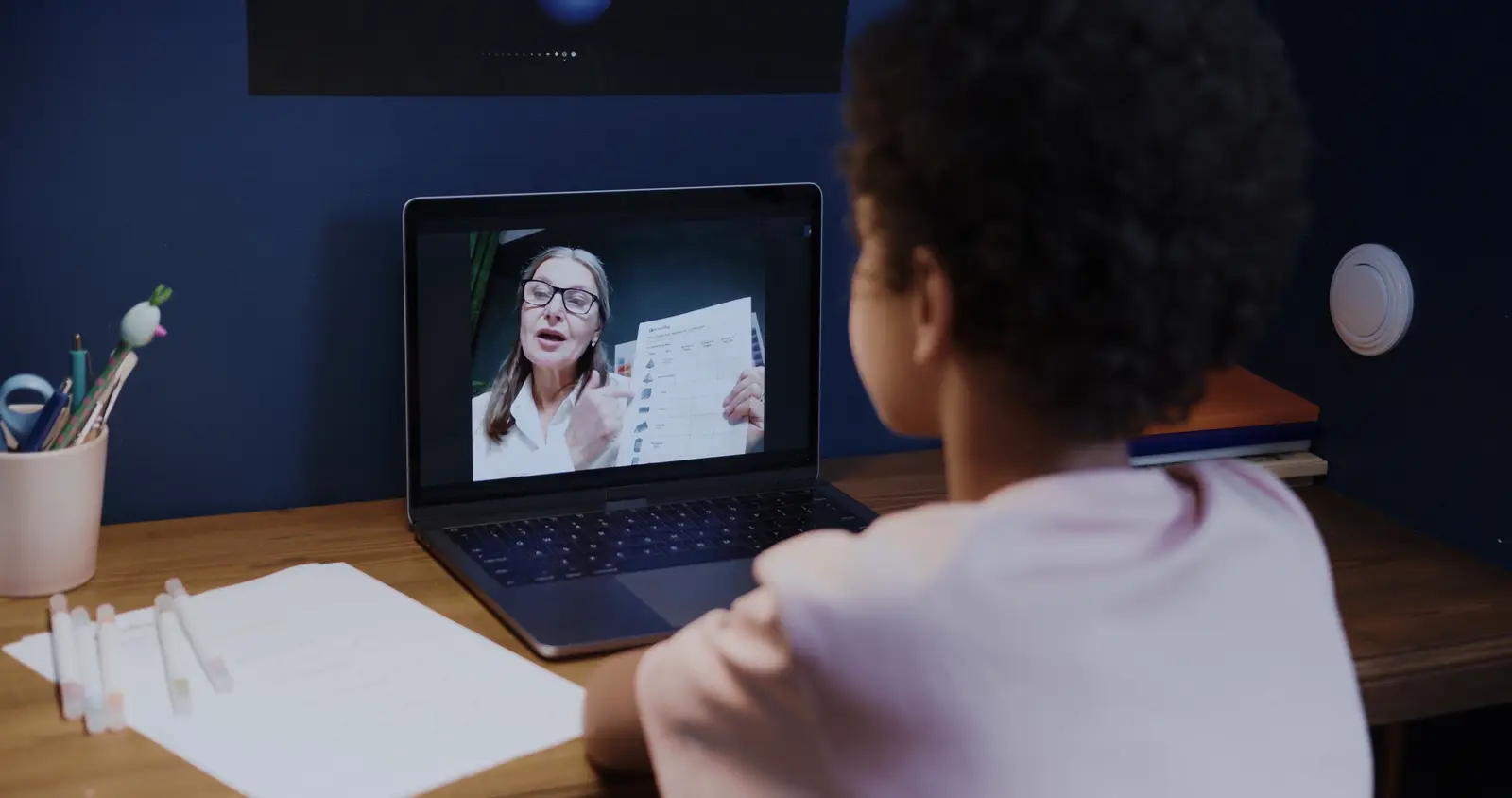
Why doesn’t studying turn into speaking on its own?
Because speaking has extra demands: finding words quickly, hearing a reply, adjusting on the fly, tolerating silence. None of those is trained by a worksheet.
Think about a driving test. You can know every rule in the highway code and still feel your hands shake the first time you merge into traffic. The knowledge matters, and the feeling of doing it with other people moving around you is a separate thing you only get from doing it.
It’s the same with most skills. Reading about swimming helps, and you still get wet before you can swim. The two kinds of practice feed each other, but neither replaces the other.
If you can read well and still can’t talk, reading French but not speaking it is the same gap seen from the other side.
Three exercises that move you from studying to using
- The two-minute retell. After studying anything, close the book and tell someone (or a voice memo) what you just learned, in the language. No notes.
- The stopwatch answer. Pick a question: “What did you do yesterday?” Answer in 30 seconds without stopping, even if it’s messy. Repeat with a slightly different question.
- The interrupted conversation. Ask a teacher or friend to interrupt you with a follow-up question mid-answer. You’ll find out quickly which parts you’d memorized.
Keep a simple log. After each practice, write one line: what you tried to say, what you couldn’t say and one thing you’ll fix next time. After two weeks you’ll have a list of the gaps that matter, which is a far better study plan than the next chapter in a book.
The third one is uncomfortable on purpose.

How much of each do you need?
There’s no perfect ratio, but a fair rule of thumb for adult learners with a speaking goal: give most of your practice time to using, and treat studying as support. For every rule or word list you study, plan to use it out loud somewhere within a day or two.
If your goal is an exam that tests reading or writing, shift the balance. Know what your goal rewards, and practice that.
For a longer look at the freeze that follows, see why you freeze speaking Spanish.
Where does a teacher fit?
A teacher is a safe place to practice using. The pressure is real enough to count, and the mistakes cost nothing. They also listen for what you’ve studied but don’t use yet, which is hard to spot yourself.
Try this brief: “I study a lot, but I don’t use it in conversation. Can we spend the lesson talking and use what I studied this week?”
Putting learning to use
We like things that get used. Part of every lesson, 10% of the price shown, helps fund live English classes for learners in developing countries, with a goal of 100,000 hours of teaching by the end of 2032.