You know “butterfly.” Now try “electricity contract.”
If you’re moving to France, practice the conversations you’ll actually have before you chase every tense: neighbors, a landlord, the doctor, the bank and a delivery. Learn a few key phrases for each, say them aloud, then let a teacher change one detail so you learn to adapt. This is language practice only. For visas, leases or legal rights, use official sources.
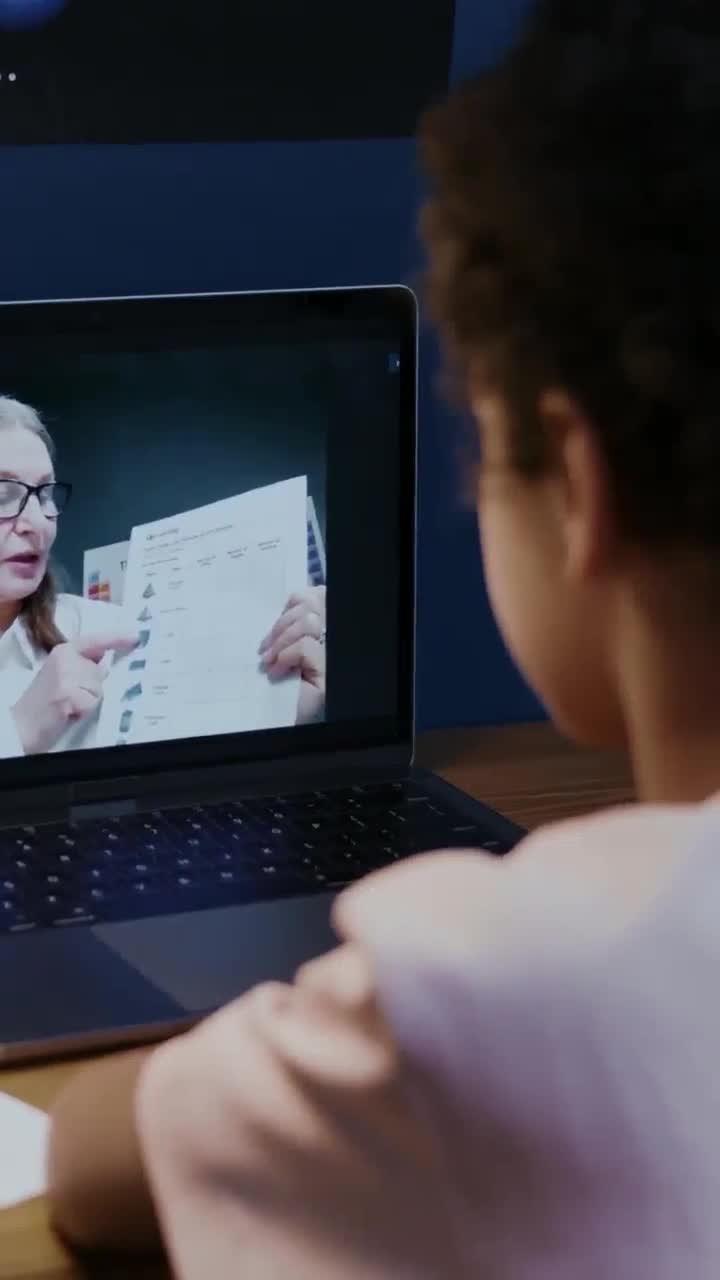
Moving abroad is very good at revealing specific gaps in language courses. You can be a champion at describing your family’s holiday and still freeze when someone asks when you’re free on Thursday.
Which French conversations should I practice first?
Start with the ones that come up in your first weeks. Each row below has an opening line to say aloud and a question to keep the exchange going.
| Situation | Say this | Then ask |
|---|---|---|
| A neighbor | Bonjour, je m’appelle Sam. Je viens d’emménager au troisième étage. | Vous habitez ici depuis longtemps ? |
| A landlord or building manager | Le chauffage ne marche pas depuis hier. | Pouvez-vous me confirmer ça par e-mail, s’il vous plaît ? |
| The doctor’s office | Je voudrais prendre rendez-vous, s’il vous plaît. | Est-ce que je peux avoir un rendez-vous cette semaine ? |
| The bank | Je voudrais ouvrir un compte. | Quels documents dois-je apporter ? |
| A delivery | Je suis à la maison mercredi. | Est-ce que vous pouvez livrer jeudi plutôt que mercredi ? |
Each of these has a different feel. With a neighbor you’re warm and curious. With a landlord you’re clear and specific: what’s wrong, since when, what happens next. At the doctor’s office or the bank, the staff usually ask the questions, so listening matters as much as speaking. A delivery or appointment call is mostly numbers and days, and it often happens by phone, with no face to read.
Swap in your own name, floor and day. Numbers, dates and times matter a lot in these exchanges, so say them out loud too.

How do I check that I understood?
You will miss words. Everyone does. What helps is a way to check. “Vous pouvez répéter, s’il vous plaît ?” buys you a second go. “Si j’ai bien compris, je dois apporter mon passeport et un justificatif de domicile.” repeats the plan back so the other person can say yes or fix it.
For legal rights, a lease or anything official, rely on official sources or a qualified adviser. A language lesson helps you ask the question. It can’t answer it.
How do I turn a script into real French?
Memorized lines survive until the other person goes off-script. So practice that part on purpose:
- Say the opening lines and one follow-up question from memory.
- Ask a teacher or partner to change one thing: the appointment isn’t free, the neighbor asks something unexpected, or they speak faster than you hoped.
- Answer without notes, even if you have to simplify.
- Write down the phrase you needed and didn’t have. That’s your next lesson’s starting point.
Make the phone version too. A call is harder than a counter, because you lose gestures and lip-reading. Ask your teacher to play the person on the line: they speak quickly, the line is poor, they ask you to spell your surname. Practicing the spelling of your name and address out loud is dull and very useful.
Do one situation a week. Once you can ask one follow-up question without looking, move on.

What should I ask my teacher for?
Give them your real list. “I’m moving to France in three months. I need to talk to neighbors, a landlord and a doctor, and I’d like most of each lesson to be role-play.” A teacher can then build each lesson around one situation, play the other person and correct the mistakes that would actually confuse someone.
Ask for the follow-up questions too. Most learners prepare what they will say and nothing for what comes next. The reply is where the conversation really happens.
What about accents and informal French?
Where you’re moving matters. A teacher who knows that region can introduce local expressions and give you listening examples. Don’t treat one accent as “proper French” and the rest as lesser versions. You’re aiming to understand the people you’ll meet. For greetings and “tu” versus “vous”, see our guide to French conversation etiquette for beginners. For words that look familiar but mislead, see French false friends.
Practice before the move, then keep going
Tell your teacher where you’re moving and what you’ll have to handle. After you arrive, keep a list of real exchanges that surprised you and bring it to your next lesson.
Nattive’s own goal is 100,000 hours of live English teaching for people who couldn’t otherwise afford it. About 10% of each lesson price, included in the price you see, helps fund it.