Hated French at school? Good. Let’s start fresh.
If school French left you bored or embarrassed, adult lessons can feel completely different. The difference is the goal. Instead of passing a test, you learn to say things you actually want to say, with a teacher you chose, at a pace that suits you.
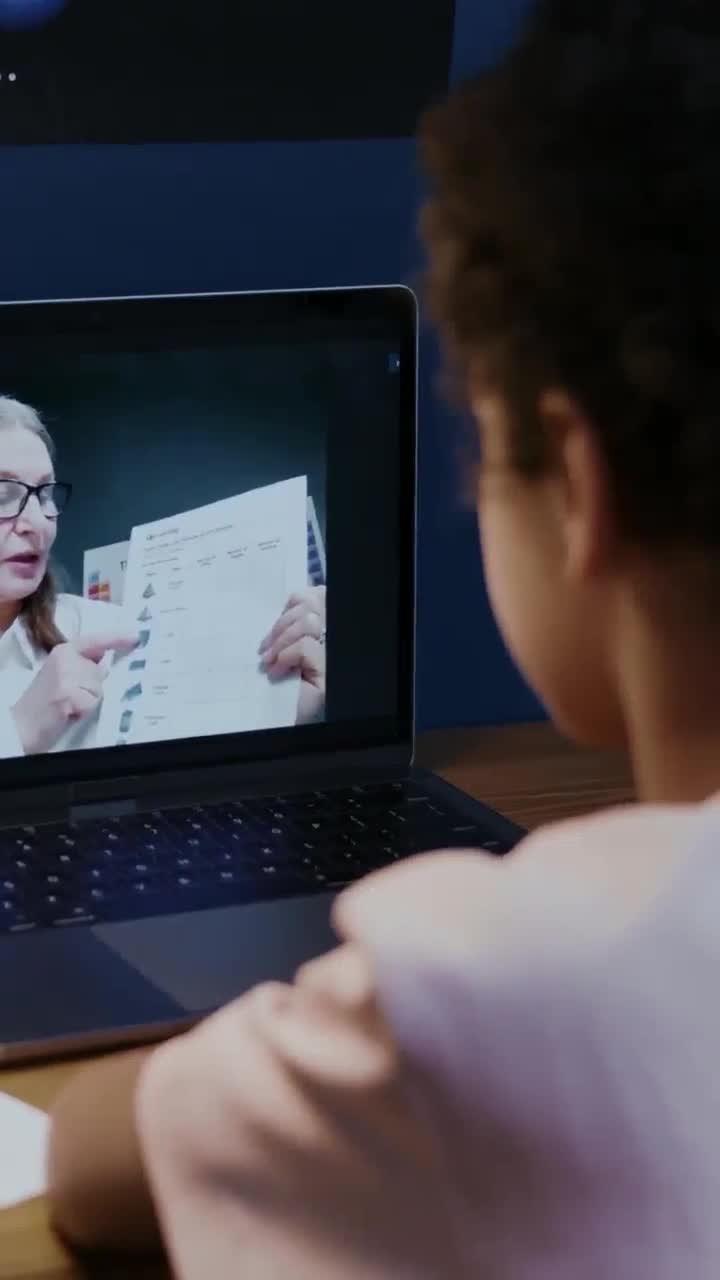
Verb tables, red pen, a teacher who sighed. If that is your memory of French, it makes sense that you have avoided it. It also says more about the method than about you.
What school French often got wrong for adults
School French is built around a syllabus and an exam. That suits a classroom of thirty, but it is not the only way to learn. Adult learners often just need something they can use. Here is how the approach changes:
| At school | In adult lessons |
|---|---|
| Grades and tests | A goal you picked: a trip, a family, a job, a hobby |
| Grammar rules first | Useful sentences first, rules when they help |
| Wrong answers marked | Mistakes treated as information |
| A class moves at one speed | 1:1, so the pace is yours |
| Speaking rare and public | Speaking early and in private |

Pick a goal that is yours
Forget “be fluent.” Try something you could do in one conversation: order dinner in Lyon, chat with a colleague, understand a family story. A goal that small tells your teacher what to practice and tells you when it worked.
If you are learning just because you enjoy it, that counts too. See learning French for fun as an adult.
Tell your teacher what you hated
This is the most useful thing you can say in a first lesson. Try: “I had a bad time with French at school. I get nervous being corrected. Can we start with simple conversations and save the grammar for later?” A good teacher will adjust. If they do not, that is a fit problem, not a you problem.
Try this exercise for week one: write three lines about your day in simple French, such as “Je travaille à la maison. J’aime le café. Je suis fatigué(e).” Read them aloud to your teacher and ask what you could add. You are starting from your own life, not a textbook’s.

What about grammar?
You will still meet grammar. The difference is when. In adult lessons it can arrive after you have tried to say something, so the rule explains a gap you actually noticed. A rule you needed sticks better than one you were handed.
A realistic first month, if you want a shape to aim at:
- Week one: introduce yourself and talk about your day in simple present tense.
- Week two: ask questions, order something and say what you like.
- Week three: talk about yesterday and tomorrow in short, imperfect sentences.
- Week four: run one real scenario from your goal, with a few surprises.
That is a sketch, not a syllabus. Your teacher will bend it around your goal. If a week feels too easy, say so. If it feels too fast, say that too. Giving honest feedback is part of the job, and it is a skill school rarely let you practice.
Questions returning learners ask
Will it feel like school again? It does not have to. In a 1:1 lesson you choose the topics, and you can say “this is too much like a test” at any point.
Do I have to start from the beginning? Not necessarily. Tell your teacher what you remember. Many returning learners are further along than they think, even when it does not feel like it.
What if I get embarrassed? Say so. Teachers hear it all the time. Ask to practice in smaller steps, or to save corrections for the end.
Is it worth it if I only want to travel? Yes. A few conversations you can handle is a perfectly good reason to learn French, and a clear goal makes lessons easier to plan.
Look for patience, humor and clear feedback. Watch a teacher’s mini lesson first to see if their style feels kind. Lessons are booked one at a time with no subscription, so you can try someone, and move on if it is not right. Some teachers offer a lower-priced trial lesson. More on choosing: how to choose a French conversation teacher.
A better second try
10% of each lesson price is included in the total you see and helps fund live English teaching, toward a public goal of 100,000 hours by the end of 2032. Your second try with French can help someone else get their first lesson.