French at work: rehearse the meeting, not the glossary
Business vocabulary helps, but meetings are won by turn-taking: joining in, asking someone to rephrase, disagreeing politely and summing up. Practice those moves in role-plays with a teacher, then ask for feedback on the moves, not only the words.

You can know every word on the agenda and still say nothing, because the conversation moved on while you were composing a sentence. That is a speaking-practice problem, and it can be rehearsed.
Practice the moves, not just the words
A meeting is a handful of repeating moves. Learn one phrase for each, then drill them until they come without thinking:
| Move | French phrase | Means |
|---|---|---|
| Join in | “Je voudrais ajouter quelque chose.” | I’d like to add something. |
| Interrupt politely | “Pardon de vous interrompre, mais…” | Sorry to interrupt, but… |
| Ask for a rephrase | “Pouvez-vous reformuler, s’il vous plaît ?” | Could you rephrase that, please? |
| Disagree gently | “Je suis d’accord sur ce point, mais…” | I agree on this point, but… |
| Check you understood | “Si je comprends bien, il faut…” | If I understand, we need to… |
| Wrap up | “Pour résumer, on est d’accord sur…” | To sum up, we agree on… |
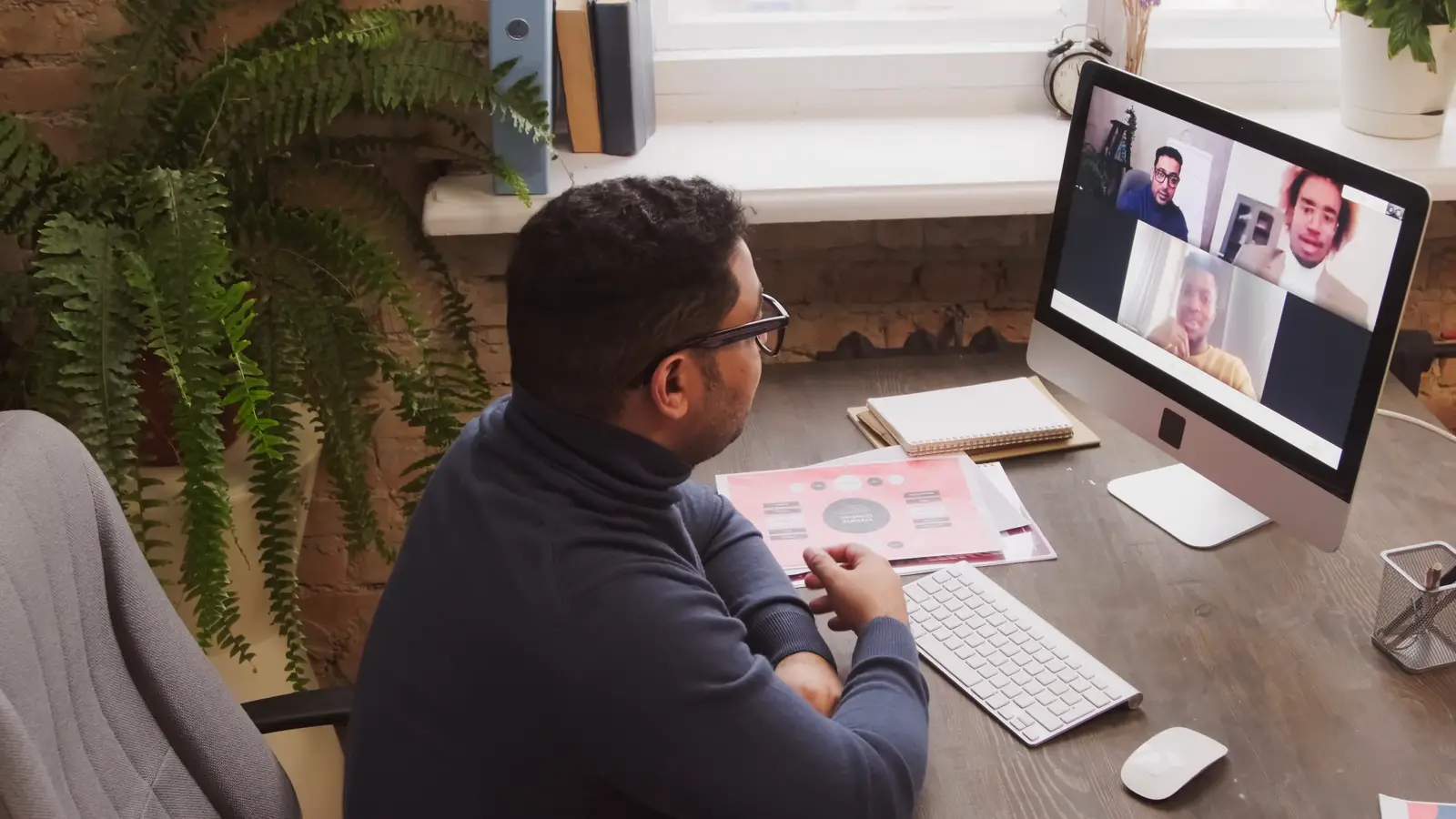
Role-play a meeting with your teacher
Give your teacher a scene from your real week: a project update, a client call, a budget discussion. Ask them to play two colleagues who talk at normal speed and sometimes cut in. Then run it three times:
- Round one: go slowly, with notes.
- Round two: same scene, no notes, a different colleague.
- Round three: the teacher interrupts you twice. Practice getting the floor back.
Real interruptions are the skill most courses skip. Ask your teacher to interrupt on purpose, then try “Une seconde, je termine mon idée” (One second, I’m finishing my thought) and see how it lands.
Ask for feedback on the right things
After each role-play, ask three questions instead of “how was that?”:
- “Was my tone too direct or too soft for a French meeting?”
- “Which phrase did I reach for too late?”
- “Where did I lose the thread, and how could I have asked for help?”
Tone varies by company and country, so treat answers as guidance for your workplace, not rules for all of France. If you lose the thread often, the repair phrases in this guide will help.

Prepare before the meeting
If you know the agenda, you can rehearse the meeting before it happens. A short routine before your next one:
- Pick the two points where you will probably speak.
- Write one sentence for each, in French, in your own words.
- Choose one phrase from the table to use on purpose.
- Prepare one line for when you lose the thread: “Pardon, pouvez-vous répéter le dernier point ?”
Bring that to a lesson and ask your teacher to push back on your points as a skeptical colleague might. A rehearsed sentence survives pressure far better than an improvised one. Afterward, note what you reached for and could not find, and make that your next vocabulary list. It will be shorter and more useful than any general “business French” list, because it comes from your actual work.
Do this for a month and you will notice the difference less in what you know than in how quickly you can use it.
Questions people ask
Do I need specialist vocabulary first? Learn the words from your own meetings. A teacher can help you build a short list from your real agenda, which beats any generic list.
What if my colleagues switch to English? That happens. You can say you would like to practice and ask them to stay in French for a few minutes, or keep your French for the parts you have prepared.
Is it fine to interrupt in French meetings? It depends on the company and the people. A teacher who knows your workplace context can help you find the right tone, and the polite openers in the table work in most places.
How do I practice if I only have thirty minutes a week? Use the lesson for the role-play, since that is hard to do alone, and use your own time for the phrases and the recording.
Ask whether the teacher is happy to practice your actual meetings and to work from your own materials, such as an agenda. Nattive teachers hold a teaching certificate or a degree, and their mini lessons show their style. See how to choose a French conversation teacher.
Work French with a wider payoff
10% of every lesson price is included in the total you see and helps fund live English teaching, toward a public goal of 100,000 hours by the end of 2032.