You don’t need a plane ticket to get immersed.
Immersion works because it gives you constant exposure and constant reasons to speak. Busy adults can borrow both without moving abroad. Build a small daily dose of the language, then add live conversation, which is the part exposure alone doesn’t give you.
The advice is always the same: “Just move to Madrid.” Lovely idea. Your landlord, your boss and your kids have notes.
What does immersion actually give you?
Two things, and neither one is the passport stamp. First, volume: you hear and read the language all day. Second, pressure: you have to use it to get coffee, find the pharmacy or make a friend.
Both can be recreated in smaller form. That’s a mini-immersion: a deliberate, shrunken version of the real thing that fits around your life.

Is full immersion overrated for adults?
Overrated as a requirement, yes. Plenty of adults have a good time abroad and still come home speaking the same amount. If you spend the day in English with colleagues, being near a language isn’t the same as using it.
What helps is exposure you can understand and speaking you’re forced to do. Location is one way to get those. It isn’t the only way.
There’s also a quieter problem with full immersion for adults. It’s tiring. After a day of working in a second language, many people retreat into whatever is familiar. A routine you can sustain on an ordinary Tuesday will beat a heroic plan you drop in week two.
A fair summary: immersion is great if you can have it, and not a reason to wait if you can’t.
What does a 30-minute mini-immersion look like?
Here is a daily routine you can steal. It fits a commute, a lunch break or the time after the kids are in bed.
| Minutes | What you do | What it covers |
|---|---|---|
| 10 | Listen to something short in your language, and replay the same clip once | Exposure |
| 5 | Say three sentences about your day out loud, even to an empty room | Pressure to produce |
| 10 | Read or watch one thing you actually enjoy, with the subtitles in the language | Real vocabulary |
| 5 | Write down two words or phrases you needed today and didn’t have | Targeted learning |
Set a timer. Aim for showing up on tired days, not for heroics.
If listening is your weak spot, Spanish listening practice for beginners has more ideas.
What do you still need that exposure can’t give you?
Conversation. You can hear a language for a year and still lock up when someone says “So, what do you do?” Speaking is a skill you only build by speaking, and ideally with someone who replies, adjusts and tells you what to fix.
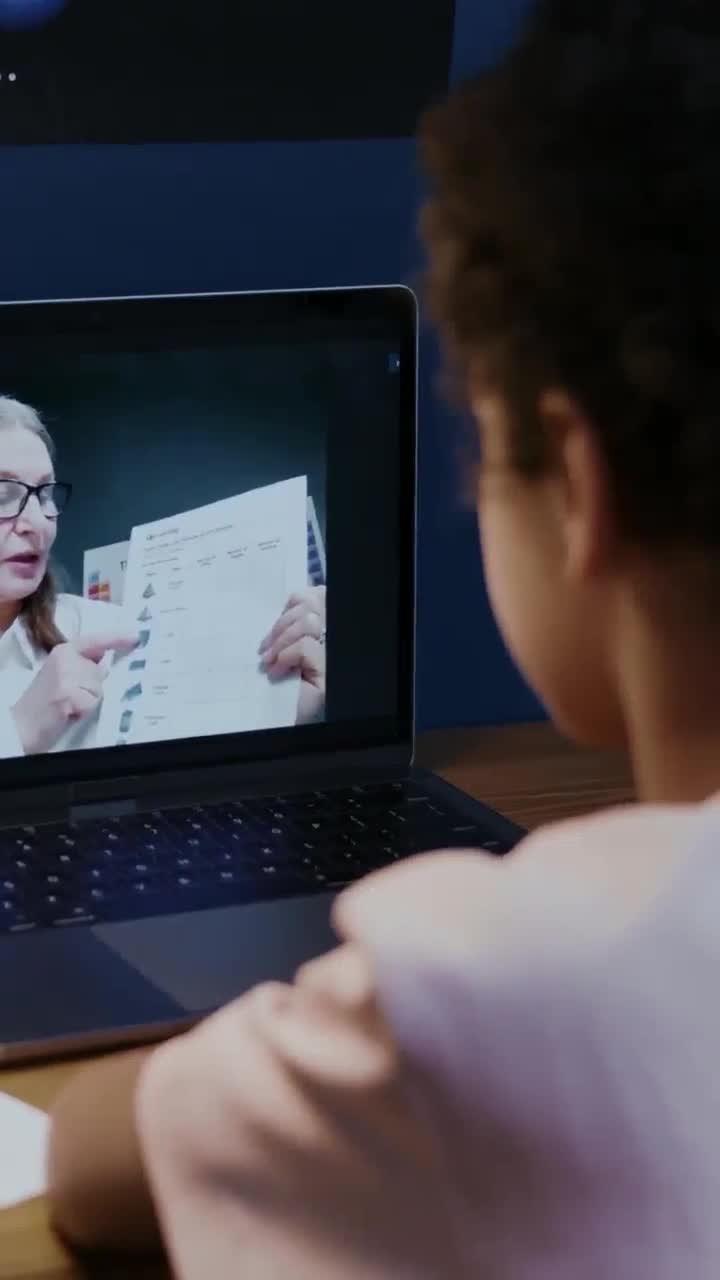
That’s the job of a live lesson. A teacher turns your mini-immersion into a real exchange: you try the sentences you practiced, they respond, you get a correction while it still matters.
One lesson a week plus a daily 30 minutes is a very different life from “I’ll study when I have time.” If you wonder how often to book, see how many Spanish lessons a week.
How do you make a lesson feel like immersion?
Ask your teacher to stay in the language as much as your level allows, and bring something from your mini-immersion to talk about: the clip you heard, the article you read, the sentence you couldn’t finish.
You can also shape your environment. Switch your phone to the language, change one playlist or podcast, label three things in your kitchen, follow a few accounts that post in it. None of this takes extra time. It just swaps some of what you already consume for the language you want.
That turns a 45-minute lesson into the centerpiece of your week rather than an isolated event. It also means you arrive with something to say, which cuts the first-five-minutes freeze.

Small daily doses, bigger goals
Every lesson you book includes 10% in the price shown, which helps fund live English classes for learners in developing countries. Our public goal is 100,000 hours of teaching by the end of 2032. That’s a long game too, and it also gets built in small, regular steps.