Skip to content
Nattive

Spanish lessons with a generous helping of “¿qué?”

Spanish listening practice for beginners works best as a task you can engage with: a short exchange, a clear question to listen for and a way to check what you heard. If a recording leaves you completely lost, try something shorter or more familiar before increasing the challenge.
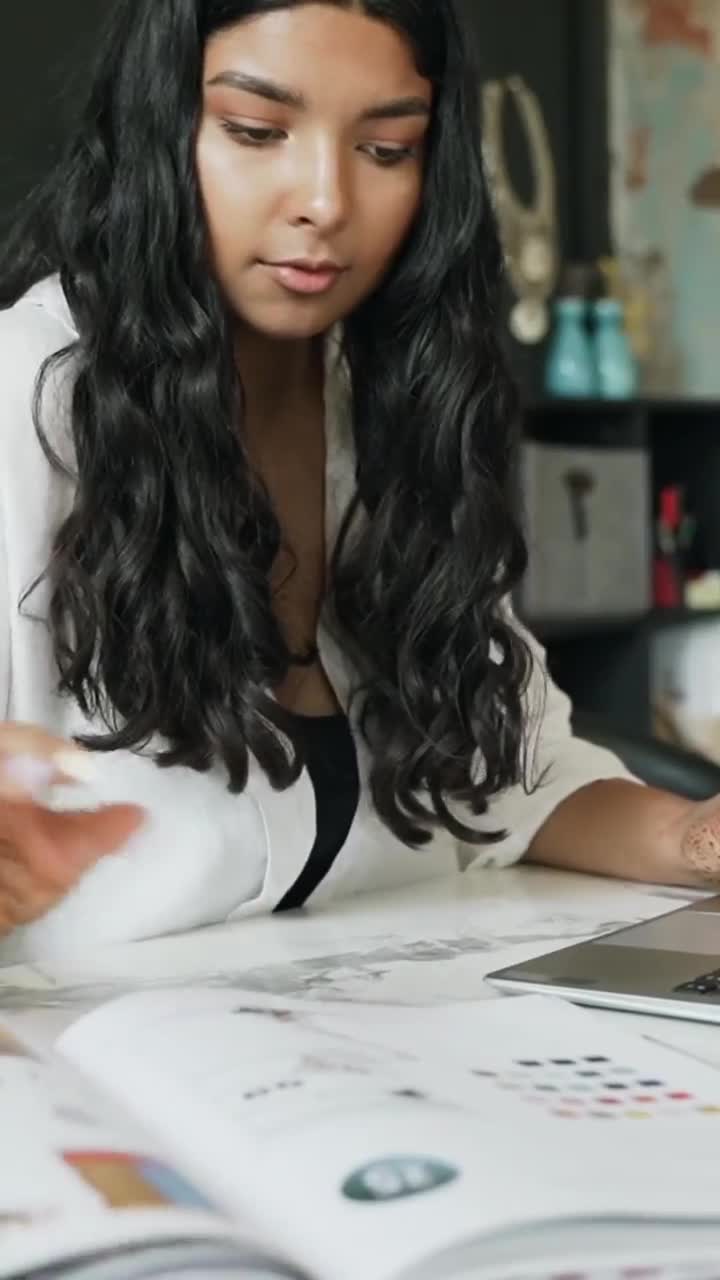
You have perfected your opening sentence. Then someone answers. This feels like a rather unfair addition to the conversation.

Fortunately, you can give the reply its own place in your practice.

Start with a familiar situation

Choose an exchange you might actually use: ordering breakfast, asking about someone’s weekend or checking when something opens.

For practice at home, use a short clip with an accurate transcript or ask your teacher to recommend one suited to your level. The aim is to work out a message, not sit through ten minutes of audio hoping your Spanish catches up by the credits.

A woman with earphones holding up a notebook to her laptop on a video call

Try three listens with different jobs

ListenYour task
FirstIdentify the situation and the main point
SecondCatch one detail, such as a time, place or preference
Third, after checking the transcriptListen for the words or phrase you missed

If the transcript makes perfect sense but the audio does not, take that sentence to your teacher. Ask them to help you hear how it is spoken in the clip. If the written version is also unfamiliar, choose a smaller section and learn the essential vocabulary first.

This is a suggested routine, not a speed test. Replay what you need and choose material that leaves you something to work with.

Practice replies that change

In your lesson, ask a familiar question and have your teacher give several different answers. For example, a question about weekend plans could lead to a trip, a quiet day at home or a visit to friends.

First identify the main idea. Then ask one follow-up question. Next, switch roles so the exchange becomes a conversation rather than a quiz.

Tell your teacher if you are preparing for a particular country or family context so they can choose relevant listening examples.

Keep a useful clarification phrase ready

“¿Puede repetir, por favor?” means “Can you repeat, please?” in a polite form of address. “Más despacio, por favor” asks for a slower pace.

Practice using a phrase as soon as you need it. You do not have to wait until an entire conversation has escaped before asking for help.

Listen, learn and help make more teaching possible
Two friends with backpacks reading a map on a station platform

Your paid Spanish lessons on Nattive also help fund free group English classes through Classroom. Our mission is 100,000 hours of live English teaching for people who cannot afford private language education.

Bring the phrase you keep missing to your next lesson. We have room for a generous helping of “say that again.”

Find a Spanish teacher · See the mission

A commitment we can be measured against

100,000 hours of live English teaching by the end of 2032.

That’s our public mission target. We’ll show the hours we’ve funded, the hours actually delivered and the Classrooms that make up that progress. We want our community to know what their lessons are helping make possible.

See our impact

Every hour counts

hours funded
0
hours delivered
0

Launching soon

Today: 0 hours delivered. Next milestone: our first Classroom, 8 hours.

Our first Classroom: 8 hours of teaching. Then 100 hours. Then 1,000. Then 10,000. Together, each stage takes us closer to 100,000.

We’re building the first Classroom. Follow our progress as paid lessons help make more teaching possible.

An hour means one hour of teacher-led English class time, whether five or eight learners attend.

The next milestone: our first Classroom

Our first Classroom: 8 hours of teaching. Then 100 hours. Then 1,000. Then 10,000. Together, each stage takes us closer to 100,000.

The next Classroom

Your paid lessons help fund the next four-week English course. See how close we are to covering eight hours of live teaching.

Follow this Classroom

0 of 8 hours funded towards the first Classroom

Teaching starts once courses are funded and scheduled.

How your booking helps

When you book a paid private lesson on Nattive, a Classroom contribution is allocated towards funded English teaching. Contributions are pooled to fund group courses; the teaching takes place when a course is funded, scheduled and delivered.

What happens when I take a lesson?
Part of what you pay goes to the Classroom fund, automatically, with every lesson you book. There's nothing extra to do.
How much goes towards it?
10% of the teacher's lesson price. It's included in the one price you see, and it's never taken from the teacher's pay.
What does it buy?
Teaching time. 8 hours of live English teaching funds one Classroom course, with the teacher paid for every hour.

A £27.50 lesson includes £2.50 for the Classroom, enough to fund 6 minutes of teaching.

Based on a £25 teacher lesson price. The 10% Classroom contribution is included in the price you see and is never taken from the teacher's pay.

Where does the contribution go?

  1. You book

    You choose your teacher and pay for a 1:1 language lesson.

  2. Classroom grows

    A clearly disclosed part of the total supports the Classroom fund.

  3. Teaching is funded

    When a course reaches its funding goal, that money is allocated to eight teacher-led hours.

  4. Teaching happens

    A paid teacher runs the class and we report the time delivered.

Funded and delivered

Classroom courses funded and Classroom courses delivered are two different moments, so we always report them separately.

Funded

Enough money has come in to pay for a Classroom course's 8 teaching hours.

Delivered

The classes have run and the teacher has taken the register.

A one-hour group lesson counts as one teaching hour, regardless of group size.