Skip to content
Nattive

You had us at “hola.” Mostly because that’s all you knew.

Preparing for your first online Spanish lesson starts with choosing a teacher who works with your level and deciding what you want help with. You do not need to arrive with a polished introduction or a suitcase of vocabulary.
If “hola” is currently doing most of the heavy lifting, say so. That gives your teacher useful information before you begin.

Tell the teacher what “beginner” means for you

Maybe you have never studied Spanish. Maybe you took it in high school and remember more than you can say. Perhaps you already pay for lessons but are meeting a different teacher for the first time.

Give them the short version. Copy and complete this brief:

“I’m learning Spanish because ____. I’ve studied ____ before. I can currently ____, but I find ____ difficult. I’d like our first lesson to focus on ____. I can realistically practice for ____ between lessons.”

You can write it in English. Check that the teacher can give explanations in English if that is something you need.

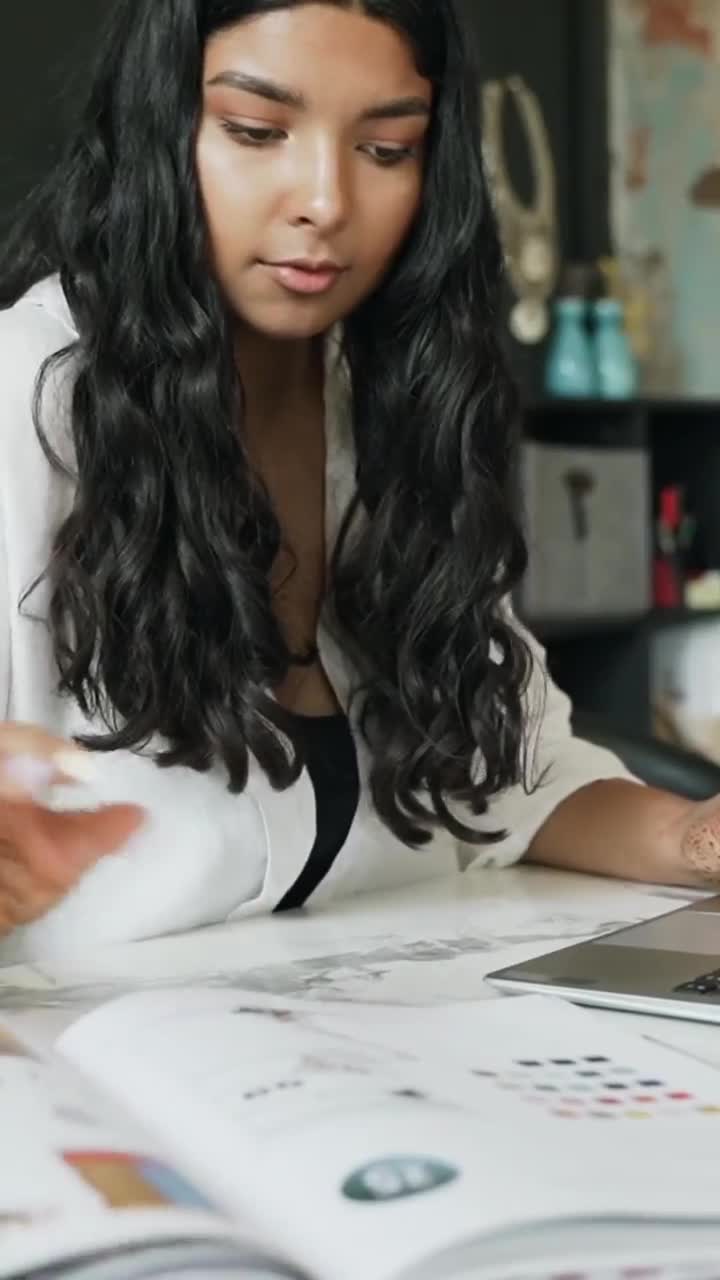
A learner smiling at her laptop during a 1:1 lesson, earphones in, taking notes

Bring one real situation

Choose something you want to do: introduce yourself to your partner’s family, order breakfast on vacation or describe your weekend.

For a family introduction, your notes could include your name, where you live, what you enjoy and one question you want to ask. You do not need to translate everything before the lesson. The teacher can help you choose an appropriate starting point.

For an absolute beginner, a greeting and one short exchange may be enough to begin with. You can add detail as you practice.

Suggest a first-session structure

The teacher will have their own approach, but this is a useful agenda to discuss:

  1. Explain your goals and previous experience.
  2. Try a short conversation or level-appropriate activity.
  3. Work on one useful exchange together.
  4. Repeat it with a small change.
  5. Leave with a few phrases and one manageable practice task.

Also check your microphone, headphones and connection before the call. A working microphone is a more useful first-lesson accessory than perfect stationery.

Decide what “a good first lesson” means

Afterward, ask whether the explanations made sense, the pace suited you and you understood what to practice next. You are evaluating fit as well as learning Spanish.

Tell the teacher if you need slower explanations or more time to answer. If you are switching platforms, describe what worked well with your previous teacher so you can preserve those parts of your routine.

Start small. Join something bigger.
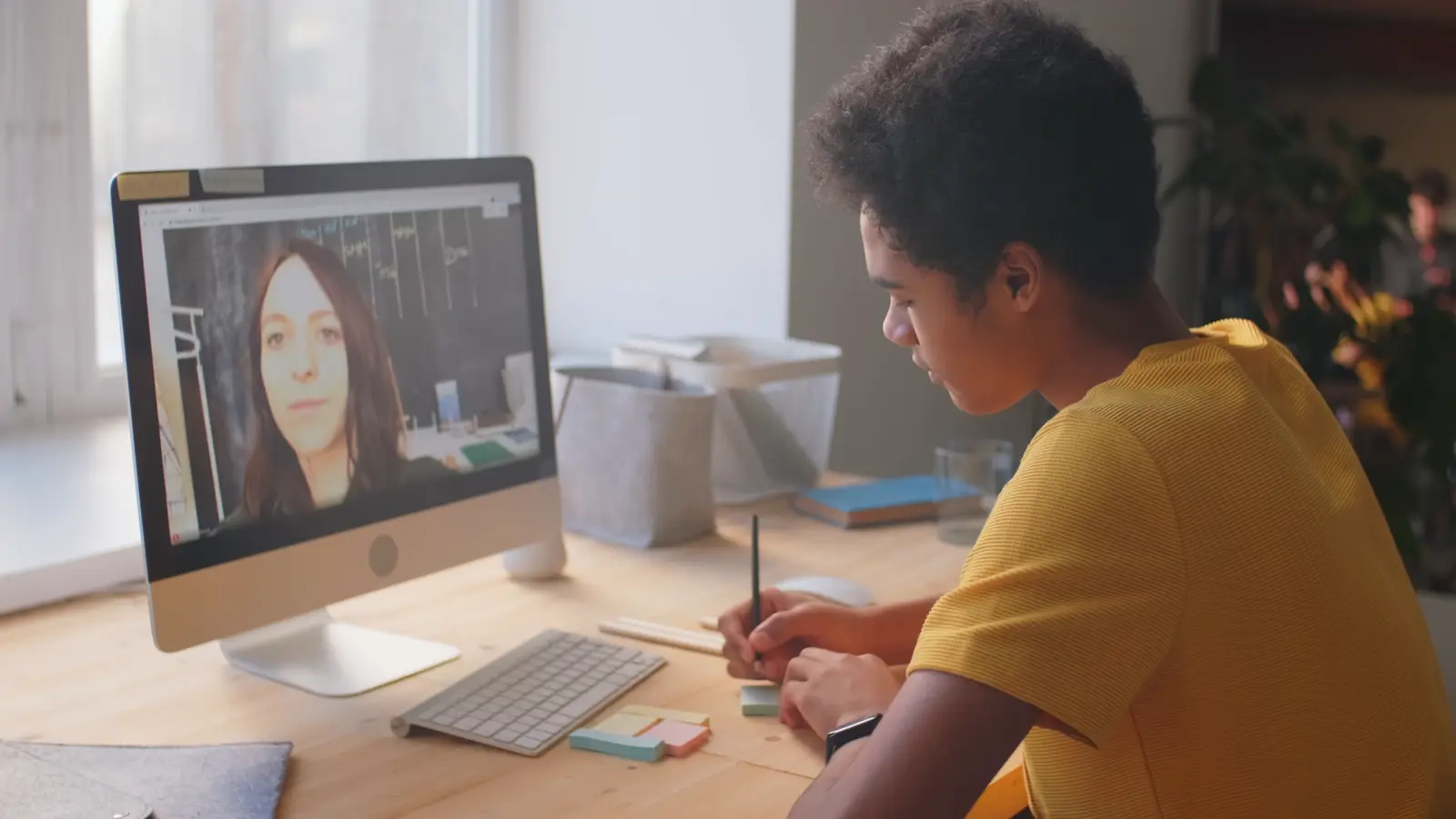
A boy in a yellow T-shirt writing notes during a video lesson

On Nattive, your paid Spanish lessons also help fund free group English teaching through Classroom. Our mission is to fund 100,000 hours for learners who cannot afford private language education.

Your first conversation can be simple. It still belongs in that bigger picture.

Find a Spanish teacher · See how Classroom works

A commitment we can be measured against

100,000 hours of live English teaching by the end of 2032.

That’s our public mission target. We’ll show the hours we’ve funded, the hours actually delivered and the Classrooms that make up that progress. We want our community to know what their lessons are helping make possible.

See our impact

Every hour counts

hours funded
0
hours delivered
0

Launching soon

Today: 0 hours delivered. Next milestone: our first Classroom, 8 hours.

Our first Classroom: 8 hours of teaching. Then 100 hours. Then 1,000. Then 10,000. Together, each stage takes us closer to 100,000.

We’re building the first Classroom. Follow our progress as paid lessons help make more teaching possible.

An hour means one hour of teacher-led English class time, whether five or eight learners attend.

The next milestone: our first Classroom

Our first Classroom: 8 hours of teaching. Then 100 hours. Then 1,000. Then 10,000. Together, each stage takes us closer to 100,000.

The next Classroom

Your paid lessons help fund the next four-week English course. See how close we are to covering eight hours of live teaching.

Follow this Classroom

0 of 8 hours funded towards the first Classroom

Teaching starts once courses are funded and scheduled.

How your booking helps

When you book a paid private lesson on Nattive, a Classroom contribution is allocated towards funded English teaching. Contributions are pooled to fund group courses; the teaching takes place when a course is funded, scheduled and delivered.

What happens when I take a lesson?
Part of what you pay goes to the Classroom fund, automatically, with every lesson you book. There's nothing extra to do.
How much goes towards it?
10% of the teacher's lesson price. It's included in the one price you see, and it's never taken from the teacher's pay.
What does it buy?
Teaching time. 8 hours of live English teaching funds one Classroom course, with the teacher paid for every hour.

A £27.50 lesson includes £2.50 for the Classroom, enough to fund 6 minutes of teaching.

Based on a £25 teacher lesson price. The 10% Classroom contribution is included in the price you see and is never taken from the teacher's pay.

Where does the contribution go?

  1. You book

    You choose your teacher and pay for a 1:1 language lesson.

  2. Classroom grows

    A clearly disclosed part of the total supports the Classroom fund.

  3. Teaching is funded

    When a course reaches its funding goal, that money is allocated to eight teacher-led hours.

  4. Teaching happens

    A paid teacher runs the class and we report the time delivered.

Funded and delivered

Classroom courses funded and Classroom courses delivered are two different moments, so we always report them separately.

Funded

Enough money has come in to pay for a Classroom course's 8 teaching hours.

Delivered

The classes have run and the teacher has taken the register.

A one-hour group lesson counts as one teaching hour, regardless of group size.