Ten seasons in, you still can’t order lunch? Same.
Watching English TV trains your ears, not your mouth. Listening and reading are receptive skills: you take language in. Speaking is productive: you have to produce it, live, with someone waiting. Shows are great input, but speaking needs its own practice.
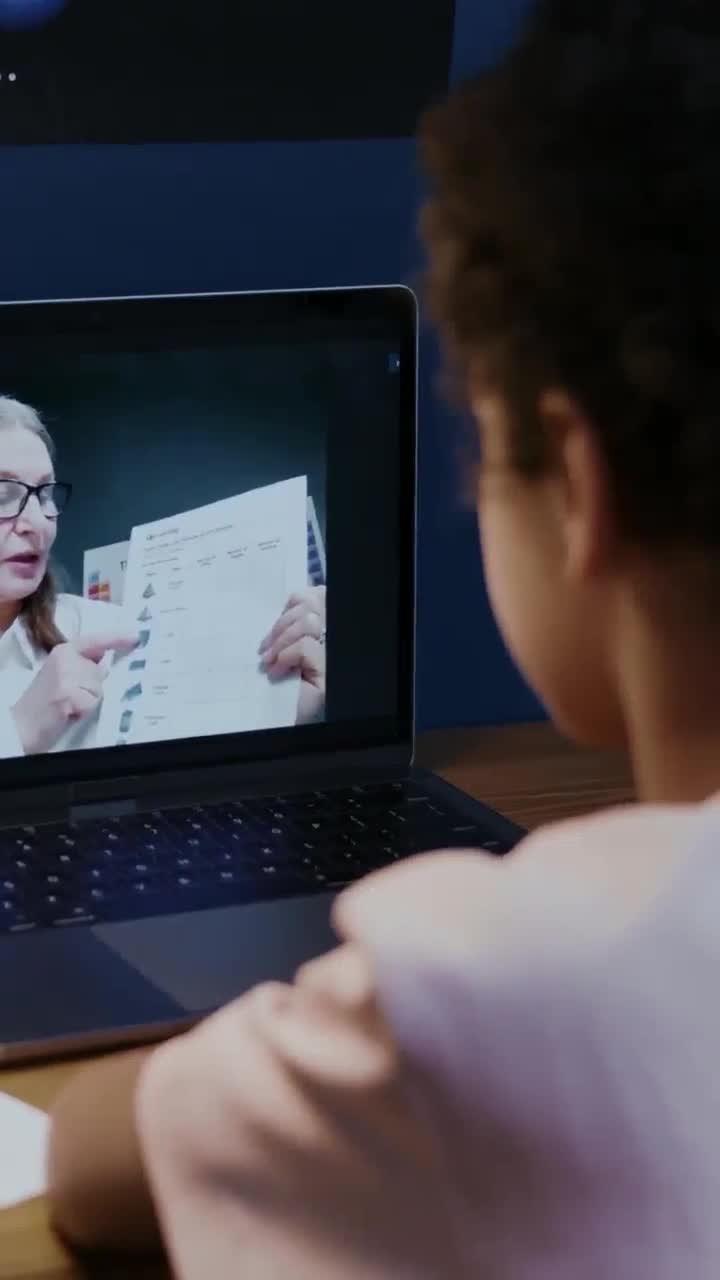
If shows have made English feel familiar but speaking still feels hard, you are not doing it wrong. You are training one skill and expecting the other to grow with it.
What is the difference between receptive and productive practice?
| Receptive | Productive | |
|---|---|---|
| Skills | Listening, reading | Speaking, writing |
| Pace | Set by the show, you can pause | Set by the conversation, no pause button |
| What it builds | Recognition, vocabulary, a feel for rhythm | Retrieval, sentence building, confidence |
| What it misses | Producing your own sentence | Nothing: it is the skill you want to improve |
You can recognize a word on screen and still not retrieve it when you need it. Recognizing is easier than recalling, which is why a show can feel easy and a conversation can feel impossible.
Can TV still help my speaking?
Yes, if you use it actively. Passive watching with subtitles on is comfortable. These small changes make it work harder:
- Pick a thirty-second scene and watch it twice, once with subtitles and once without.
- Pause after a line and say it out loud, copying the rhythm. This is called shadowing.
- Write down three whole phrases you could use tomorrow, not single words.
- Pause before a reply and answer the question yourself, then check what the character said.
Do not expect this to replace speaking with a person. It is a warm-up.
Add a real speaking step
Take one phrase from a scene and use it in a live exchange. Try this with a teacher:
- Bring a short clip or a line you liked.
- Explain what is happening in the scene, out loud, in your own words.
- Ask your teacher to role-play a similar situation with you, with different details.
- Use the phrase from the show at least once.
- Ask for corrections at the end, not during.
You are using the show as material, but the speaking is yours. That is the step TV cannot give you.

How do I split my week?
A simple balance: a few short listening blocks, one or two active-watching blocks, and at least one live conversation. If you are only doing listening, add speaking first. If you freeze even when you have prepared, read this guide on understanding English but freezing.
Why does it feel like I should be better by now?
Hours of listening do build a feel for the language, and that is real progress. It is also invisible, because nothing forces you to use it. The feeling of “I know this” can be strong while the ability to produce it stays small. This gap is common, and it closes only when you speak.
A useful test: pick a scene you enjoyed and retell it out loud in two minutes, without looking. Notice where you reach for a word you know from the show and cannot find. Those gaps are your speaking to-do list, and they are more useful than another episode.
What should your lessons do that TV cannot?
- Make you answer unpredictable questions.
- Wait for you to finish, then respond to what you actually said.
- Correct the mistakes that your own habits create.
- Give you a reason to say things for the first time out loud.
10% of every lesson price helps fund live English courses for people who could not otherwise afford them, with a goal of 100,000 hours by the end of 2032. Live speaking practice is the whole point.